
The Fear of the Lord - Acts 4:36-5:11
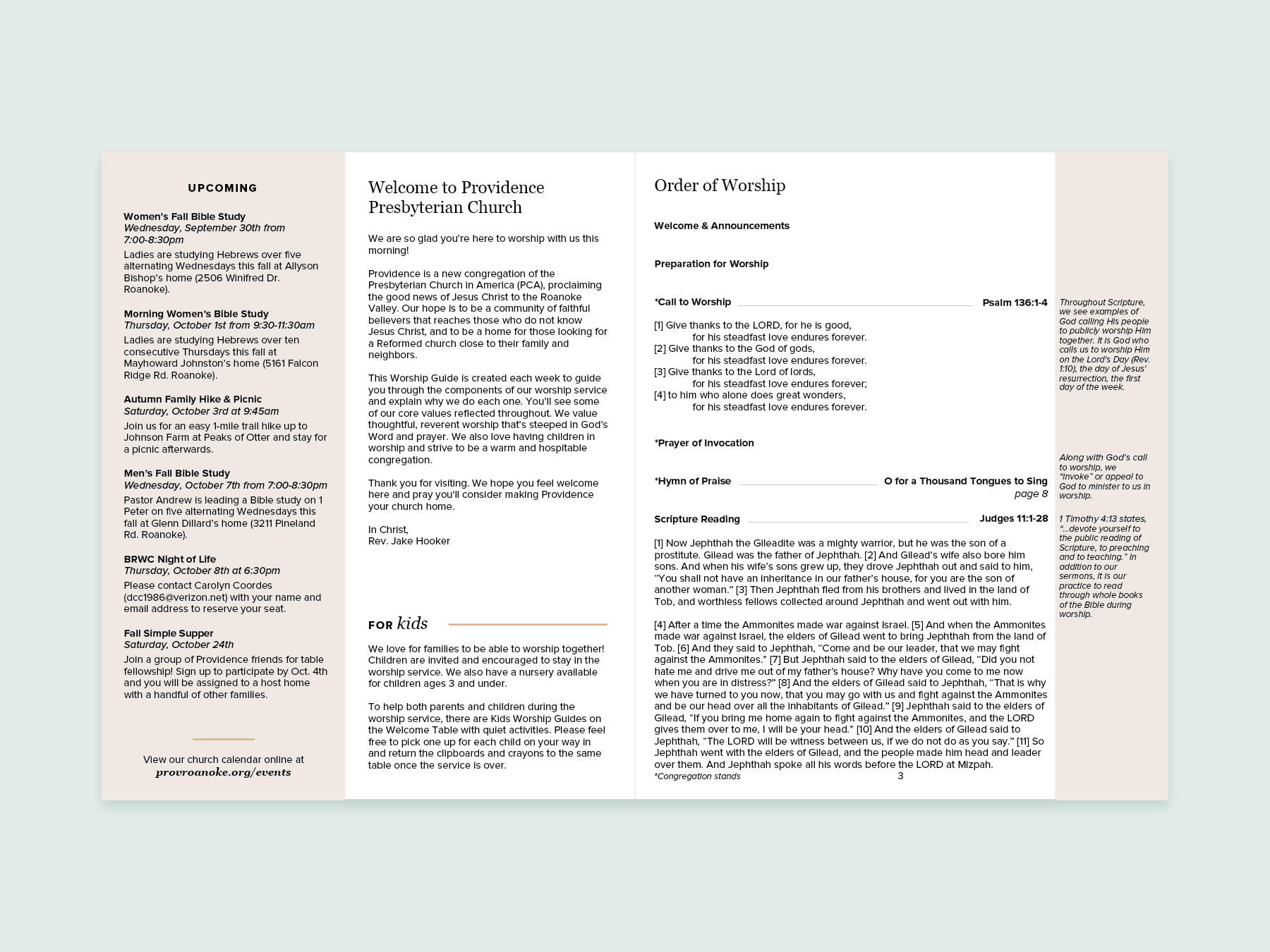
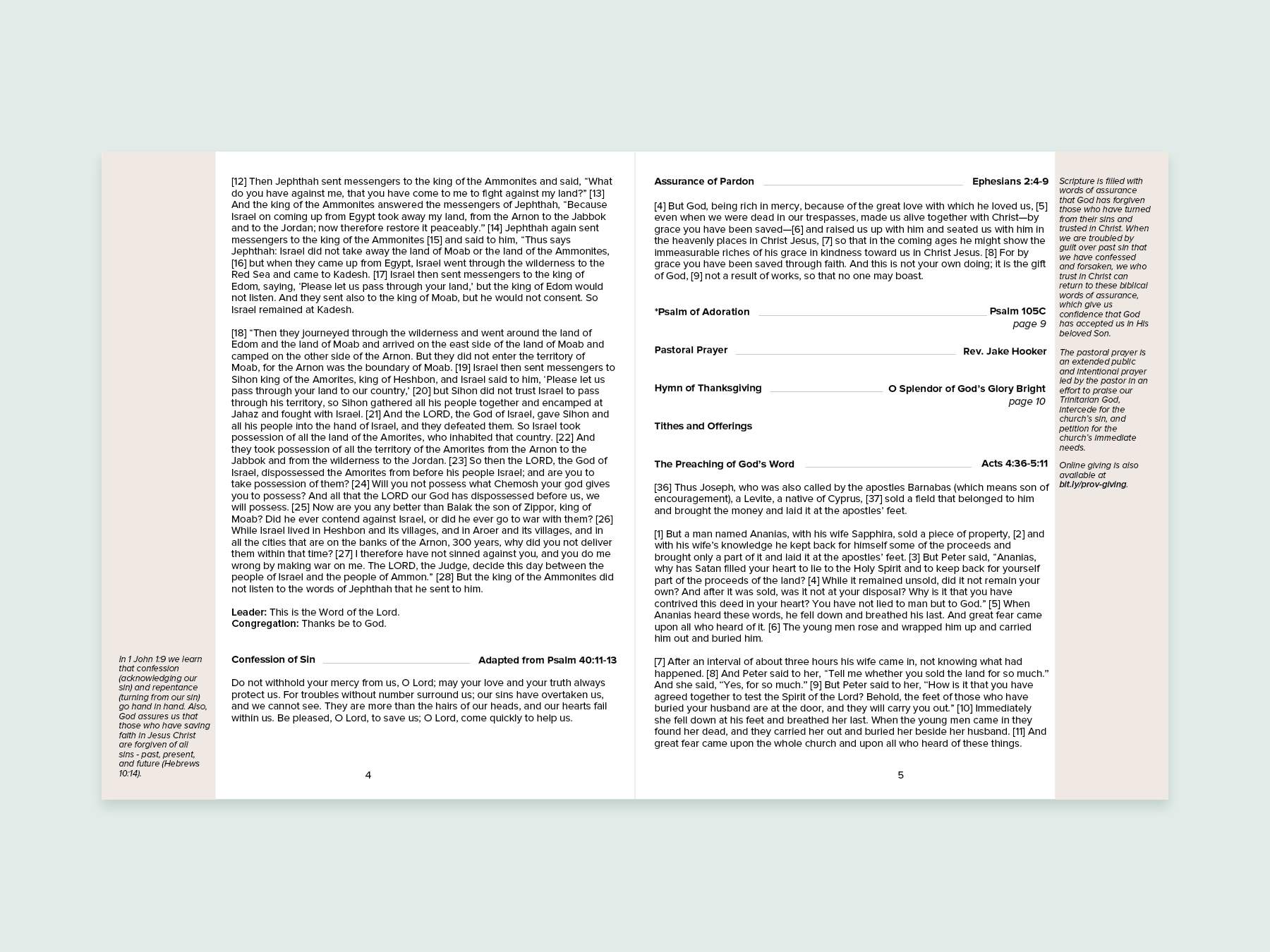
Please turn with me in your copy of God’s Word to Acts 4:36. We are going to pick up at the end of chapter 4 and go to Ch. 5.11. As has been noted the last couple of weeks. We have come to a part of the book of Acts where the people of God - after experiencing great success has come upon times of hardship and persecution.





One commentator made the point that here in our text, the Devil has switched strategies as he attempts to ambush God’s purposes in the world. The Devil’s First - tactic used in Acts was to destroy the church from the outside as the Sanhedrin sought to suppress the Apostle’s teaching and preaching by arresting Peter and John.
This initial attempt sought to intimidate the leaders of the church. With that being unsuccessful, He Now has taken a different tactic. One that in the end has more potential for destruction. And that is to destroy the church from within. Satan here seeks to sow division, distrust and discord from those within the boundaries of the fellowship of believes. Follow along now as I read our passage this morning and as we consider God’s Word here in Acts 4 and 5.
A popular game that my family has played and I am sure many of you have played is the game Werewolves. There are other games like it such as Mafia or the computer game Among Us.
It is a game where everyone’s identity is concealed as you try to figure out who the villains are - which is some kind of saboteur. When you play the game - it is often surprising even to yourself - how after the game is over and the true identity of everyone is revealed - just how good some people can be at pretending to be something they are not.
Maybe even surprised by your own ability to do so. It is fun and entertaining when we do this in a game- but it is problematic when we are like this in real life. Because when it is discovered that someone is not who they have appeared to be it disrupts relationships. It unsettles a community. It causes division and strife.
As the church has seen growth, Satan has been on the prowl like a lion seeking to cause chaos and destruction. and as I mentioned earlier he has shifted his attack to come from within the church. And the main way he has sought to do this is through the sin of Hypocrisy. (1) The Sin of Hypocrisy (2) The Lord’s response to it. (3) And the response required of the people of God.
The Sin of Hypocrisy
Satan has sought to sow division through Hypocrisy. John Stott makes the point that: “Luke [in this passage] provides his readers with two contrasting examples.” You probably noticed it clearly as I read the passage. There is a good example for us and a bad example. The good example is that of Barnabas. After we are given the general description of the fellowship of the early church in Acts 4. We are then told specifically of a man named Joseph, who…(v.37) sold a field that belonged to him and brought the money and laid it at the apostles’ feet.
And it is important to make note of the fact that the Apostles give him a bit of a nickname: they call him Barnabas (which means ‘Son of Encouragement.’) This is significant because it gives us a clue to why Ananias and Sapphira do what they do. Barnabas - is publicly recognized for his gift. He is in some ways is rewarded for his offering by being publicly honored by the Apostles. He has been a great encouragement to the body and is acknowledged for it.
This is not the reason why he did it, but he is recognized for it nonetheless.
We have all had some similar experience like this in life where we receive some recognition, some acknowledgment for something we have done. Maybe it is an award, or trophy. Maybe some words of affirmation. And it feels good. To be acknowledged, to be thanked, to be honored.
But we have also all had the opposite experience. Where we see someone else acknowledged for something they have done. Where someone else has received praise OR they have been promoted OR given some status/some responsibility and we think I should be honored in that way or I should have been promoted.
But the issue with this desire is that we sinfully want the admiration but have no concern for the virtue that justifies the honor. This is the tragic case here of Ananias and Sapphira. They have seen Barnabas bring his offering to the apostles from the sale of his land for the help of the church and the relief of the poor, laying it at the apostle’s feet. and they see him publicly honored, recognized.
And they think - how good it would be if they too received this recognition. So they concoct a plan together to get the glory and honor. They sell the land to get the money.
But then they bring just a portion of the sale to the apostles but make it seem like they have given it all. This is why Peter questions Ananias saying: Why have you contrived this deed in your heart?
It is a deliberate plan they have made together. To appear generous and sacrificial when in reality they are not. And you’ll notice Peter alludes to the fact that this is even the work of Satan.
He says: “Why has Satan filled your heart?” This hypocrisy is something Satan introduces into the church so as to destroy its fellowship.
And it is this hypocrisy that is the issue…the root problem is not that they have stolen something or that they are
being miserly. Peter says to Ananias: “Ananias, why has Satan filled your heart to lie to the Holy Spirit?” He did not say: “why did Satan fill your heart to be misery or a spendthrift?”
He did not say: “why did Satan fill your heart to steal?” The sin that Peter is addressing is the sin of Hypocrisy. Ananias and Sapphira have concocted a lie about themselves. As John Stott put it: “They wanted the credit and the prestige for sacrificial generosity, without the inconvenience of it.” The sinfulness of hypocrisy is that it is a lie about who you are.
Lying in itself is sinful. Telling lies, untruths, falsehoods. But hypocrisy is greater because it is a lie about the whole of the person. The Word itself comes from the greek language - meaning ‘playing a part.’
To be a hypocrite - is like you are just playing a part. It is to appear one way, when that is not what you are like in reality. And Jesus has strong words for hypocrites. In Luke 12 - Jesus says “Beware of the leaven of the Pharisees, which is hypocrisy.”
The Pharisees wanted others to see them when they prayed. When they gave offerings. When they fasted. But it was all for show. They wanted to appear as righteous before others. That is all they were concerned about. Jesus said they were like white-washed tombs. On the outside they appeared clean, but inside they were full of dead bones.
The NC state motto: Esse Quam Videri. Which means. “To be rather than to seem.” This in some ways gets to the essence of true religion. God wants us to be people of integrity. That our faith is not something for show, but is at the core of who we are.
That our Love for God and our love for others - is not something for show, but is a matter of the heart. How do we become people of integrity? Where we are the same person behind closed doors as we are in public? First off, we have to acknowledge our unrighteousness. We will never be people of integrity unless we concede to our poverty of spirit.
Ananias and Sapphira seem to have the hope that they can achieve a level of righteousness in this newly formed group of believers. Their desire is that they will be recognized as such. But this desire betrays a heart that does not recognize our fallen state.
The reality is that we are deeply sinful. When we accept this reality even daily acknowledging it - we will be kept from any false notions of establishing our own righteousness and will turn to Christ for our righteousness. An alien righteousness, one we had no part in establishing.
This acknowledgement of our sin and our total reliance upon Christ, keeps us in a state of humility. Where we know ourselves to be sinners and who without the grace of God would be under his wrath and judgment. We see then how Satan has attempted to soil and damage this early Christian community, but secondly we see that the Lord will see to it to sanctify His Church.
The Lord’s Response
The Lord brings judgment upon Ananias and Sapphira. It is shocking, when we read this account, how swift God’s judgement comes down upon Ananias and Sapphira.
It is so sudden, that Ananias is given no time to speak. No time that he might offer up an excuse or a justification for why he has done what he has done. There is no time for repentance. It is a sobering account of God’s justice. Even though Peter asks Ananias a series of questions. He is unable to answer because of how suddenly he dies.
Look at the litany of questions from Peter: “Why has Satan filled your heart to lie?” And “While the land remained unsold did it not remain your own?” And he asks as well: “Why is it that you have contrived this deed in your heart?”
These questions are not a dialogue or a conversation, but instead are rhetorical questions that further emphasize the judgement that Ananias receives.
He has shown himself to be in collusion with Satan. To have lied to God the Holy Spirit - and to have intentionally planned this deed in his heart.
Peter’s questions to him here serve then as a sentencing would in a courtroom. But We may think this to be a severe judgement from God for someone who was giving to the church even if it wasn’t as much as he led on others to believe.
Sinclair Ferguson, makes the point about this passage that when we consider the severity of God’s judgement: We may think the punishment doesn’t fit the crime. But he goes on to say: If that is our thought about this situation it shows how lightly we take sin and how we misunderstand God’s view of sin. At this point in Acts the church is at the beginning of its life.
The church does go back in to the Old Testament….back to Abraham, the 12 tribes of Jacob and the Nation of Israel. This is the OT people of God and it continues in to the NT with the Church.
But after the resurrection and ascension of Christ - the church parameters have expanded to include every tribe, tongue and nation…and it is the place now - after pentecost where the Spirit of God dwells.
And so in the book of Acts we have this wonderful picture of the fellowship of the church as they love for one another and are devoted to God and live sacrificially.
And what Satan has attempted to do here through Ananias and Sapphira is corrupt this holiness and purity of the church by soiling it with hypocrisy, lies and falsehood. When we consider these things, we are given a better understanding of why God has acted in this moment as he does. He is jealous for his name and for the good of His church. He will see to its sanctification.
Many Commentators have pointed out the many similarities between the account of Ananias and Sapphira here in Acts 5 and the sin of Achan in the book of Joshua in chapter 7 (if you are familiar with that story). In both stories a man keeps for himself something that was dedicated to God.
In both stories there is a quick and swift judgment upon the man. But the most important analogy is that both situations occur at the inception or a beginning stage in the life of the people of God.
In Joshua the people of God had just come in to the promised land. They had the success of defeating Jericho and the confidence of having God on their side as they faced their enemies. In Acts we see similar success as the church has grown. And this is why God deals with Achan and Ananias and Sapphira as he does.
God will not tolerate sin to go unchecked in the midst of His people. He has covenanted himself to His people and guarantees their sanctification.
There are a couple applications we can make from this. First (and this is one John Stott makes), the church is to faithfully exercise church discipline. And this is a difficult task. It is easy on one hand to be too severe in the practice of church discipline where the leadership finds the slightest offenses as cause for the exercise of discipline. But on the other hand - it is tempting as well to not do any discipline at all. To avoid ever having a hard conversation or to ever speak a difficult word to someone.
Both of these are ditches that we are avoid falling off of. It’s why in our vows for membership we take the vow to study the peace and purity of the church.
These two things must be held in tension. This is something - we all can pray for. You can pray for your leaders to be bold and to be loving in the exercise of disciple - that it would be carried out for the good of the church and the glory of God. But discipline does not start with a formal process.
We are all being disciplined in our discipleship. We are all called daily to put sin to death. A this leads to a second thing to consider which is that every believer is called to pursue holiness. Paul writes in Philippians 2:12: “Work out your salvation with fear and trembling.” Every believer is called to the work of putting off sin and putting on righteousness.
Of dying to sin, of repenting and turning to Christ. And this is difficult work. It is hard work. At times it feels like impossible work.
But in our membership in the church, as we live among other believers and as we make use of the ordinary means of grace it is possible to grow in grace…the Lord has promised to use these thing - to work in us that we may will and work for his good please.
Therefore we should all be striving for holiness of life for the sake of the church and the glory of God…because the Lord has promised to sanctify His church. After Satan’s attempt at subverting the fellowship of believers the Lord provides the antidote.
The Response Required of the People of God
Which is the fear of the Lord. The people of God are to respond with godly fear. After the sin of Ananias and Sapphira and their ensuing deaths. We see in our passage the response from the people of God. And this is a godly response from a consecrated people.
This community in Jerusalem is the New Covenant community at its inception and so we ought to take our cue from their response. From how they respond to the Lord at work in their midst. We have seen them in many facets of their communal life already. How they are devoted to the apostle’s teaching, how they break bread and pray with one another. How they sacrificially give and how they are of one heart and one soul.
A question arises then: How will they respond to this distressing situation? Their response is one of godly fear. It is recorded for us twice. It is repeated to highlight its significance. In v. 5: “When Ananias heard these words, he fell down and breathed his last. And great fear came upon all who heard of it.” And then again after Sapphira enters three hours after her husband dies, not knowing what had happened- she too “fell down at [Peter’s] feet and breathed her last…and great fear came upon the whole church and upon all who heard of these things.”
You’ll notice too that the fear that came upon them is described as a great fear.
We mistakenly believe maybe in 21st American Christianity - that there is no place for fear in the Christian life… but this is not how the Bible speaks of fear. One of the most well known passages in the Old Testament is found in Proverbs that tells us that The Fear of the Lord is the beginning of wisdom. This fear is not an anxiety.
It is not some irrational phobia OR a fear that causes us to hide away and cower in the corner. A fear that causes us to escape into pleasure or run from our responsibilities.
And It is not quite the same as just being afraid and overcome by worry. This fear that we see as from the covenant community is a godly fear. Because of this it is a fear then that produces godliness. It produces humility and sobriety because it knows of the nature of God. We see it even in part as the bodies of Ananias and Sapphira are carried out. We are told the young men rose and wrapped him up and carried him out and buried him. And then the same thing happens with Sapphira.
When the young men came in they found her dead, and they carried her out and buried her beside her husband. With both of these there is a sense not of panice/worry but of solemnity and sobriety. They have heard Peter’s words to Ananias and Sapphira. That they had lied to God, that they had colluded with one another and with Satan. And so the fear that came upon them…
Was one in which they began to consider the character of God as well as their own hearts. They, with sober eyes and minds, began to understand that the God of the Bible is a holy God. He is one who will never merely tolerate sin. Simply overlooking our faults.
Because of His holiness, sin had to be dealt with. And because of this they no doubt thought of themselves as well. They would have thought of their own sinful tendencies.
That they were not that different than Ananias and Sapphira. That were it not for the grace of God - they too would be judged as this couple had been.
John Calvin begins his institutes describing this dynamic of a true knowledge of God and of self. He writes: “Nearly all the wisdom we possess…consists of two parts: the knowledge of God and of ourselves.”
As we consider God and His attributes and His character - we can’t help but think of ourselves. Of how we were made in our finitude and how we have fallen in sin.
These are surely sobering thoughts. But they are a picture of the fear of God that comes upon us as we consider who God is - but this is good. A Godly fear produces in us humility. Because we understand we are unworthy recipients of God’s grace. That the grace of God has been shown to us in Christ because of God’s Love and God’s mercy - not because we have done anything to deserve it.
That Christ came to save us when we were still His enemies. When we were still Railing against the Lord and against His anointed. And that even though we were in sin and without hope, Christ came to redeem us. This is nothing as humbling as this. To know of our helpless state without Christ.
And the fear of God produces in us sobriety as well. Where we take sin to be as it really is. That it is an affront to the holiness of God - an offense to the one who has made us, the one who has redeemed us and to whom we owe everything.
We therefore - begin to hate sin and grieve it as we should. Dennis Johnson - underscores this point when he says - the appropriate response to the burning glory of God and of the Spirit is fear. Fear is the appropriate response when God’s presence and power are revealed in the midst of frail human beings.
And he goes on to say Luke can sum up the whole life of faith and piety in [this] phrase: “the fear of the Lord.” The question for us then is this: Do we fear the Lord? Do we live with an appropriate and godly fear? Or have we become complacent in our Christian life because we have lost that sense of God’s holiness, majesty and glory…and have even begun to think of ourselves more highly than we ought.
May we meditate upon the Lord and upon His holiness and may we be governed by the fear of the Lord as we worship and serve Him.
