
Christ Will Build His Church - Acts 1:1-5
As a full millennial and active internet user, I’m very aware of the growing interest in the early church. And whenever the early church comes up as a point of discussion, most people think of the early church fathers, men like Clement of Rome, Turtellian, and Augustine. And of course, there is much to gain from reading those men. However, we tend to forget that we have an infallible account of the very origins of the church in the book of Acts. If you want to know what the early church looked like, then you need to read and study the book of Acts.

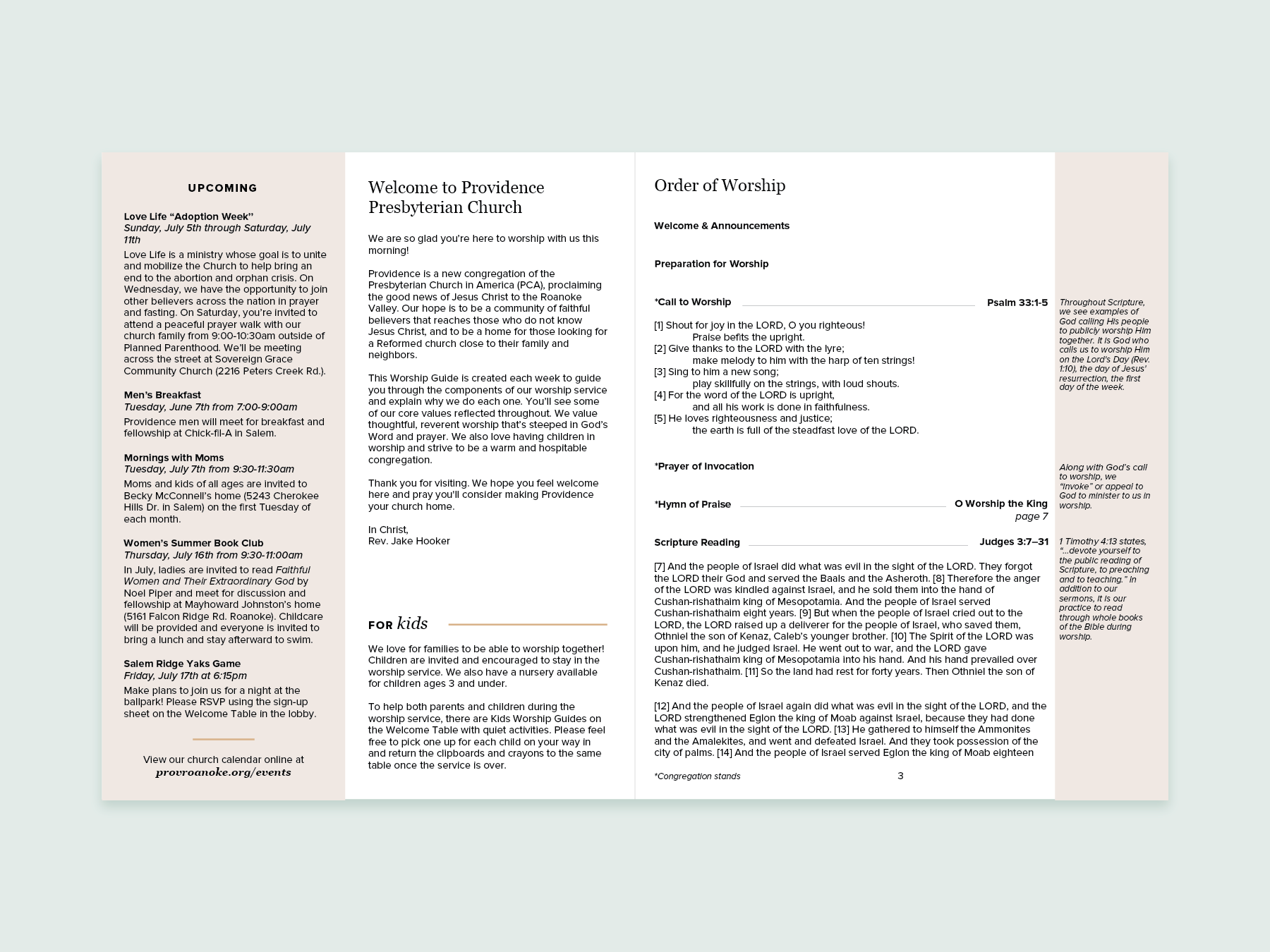
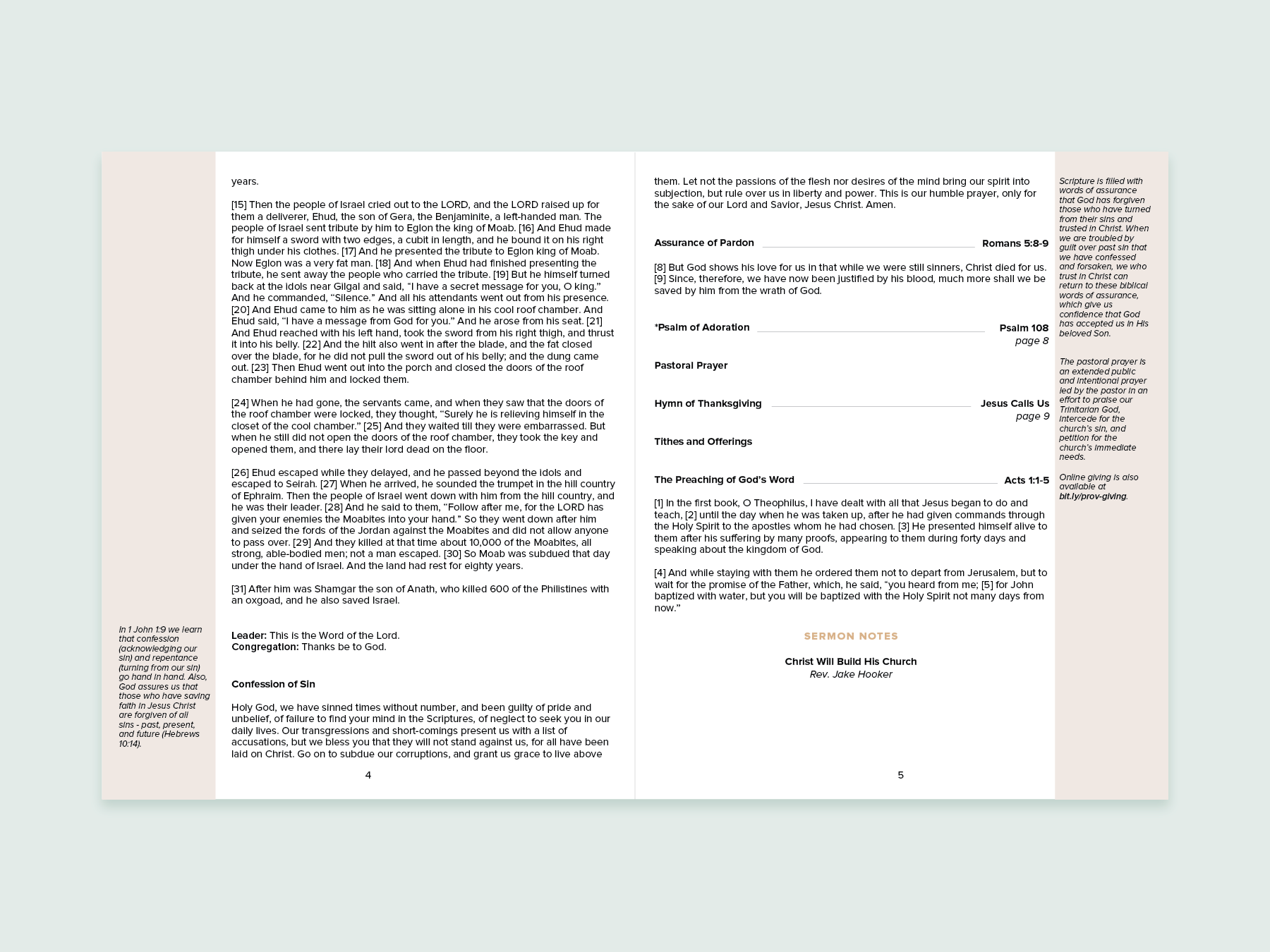
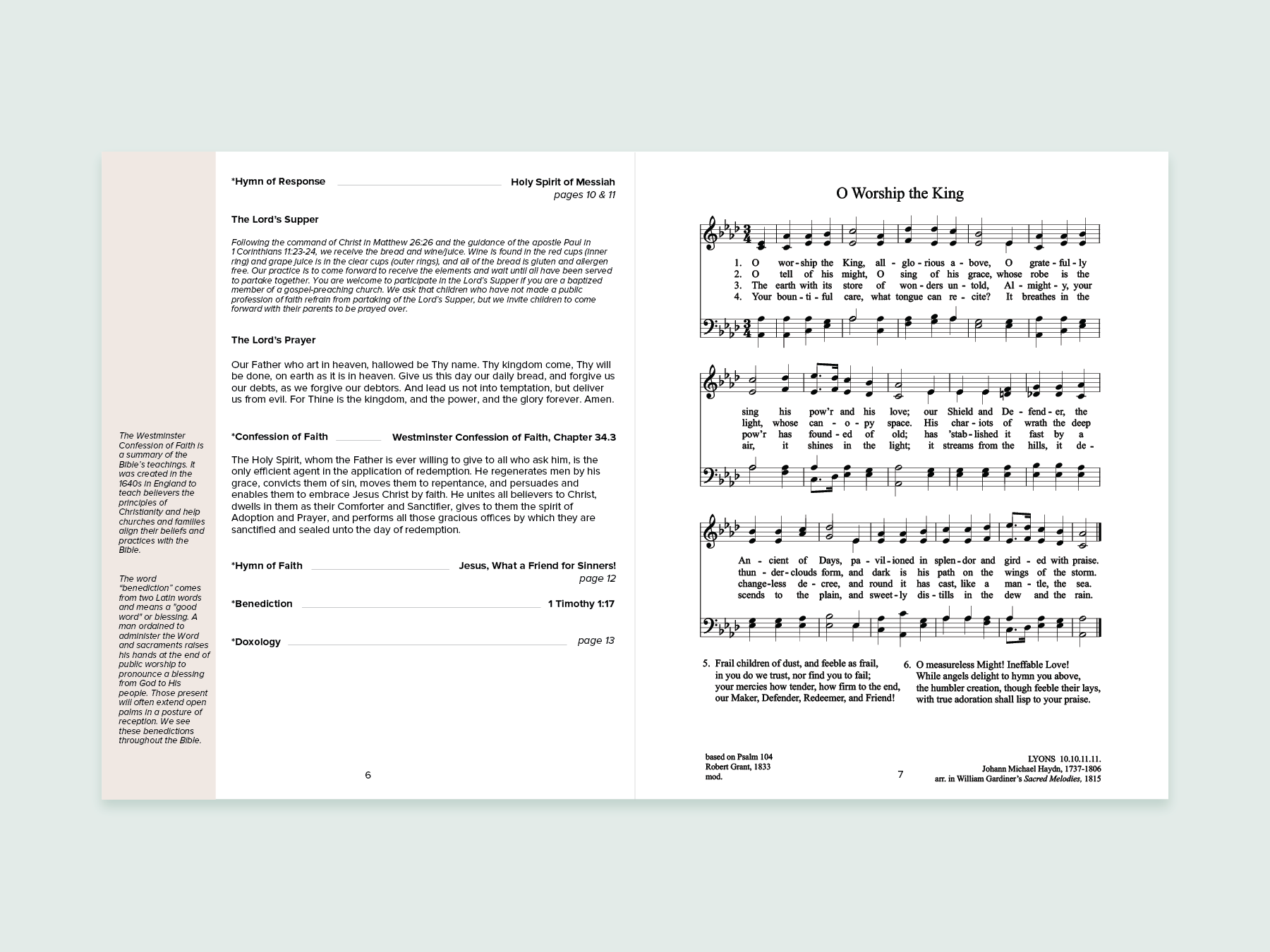
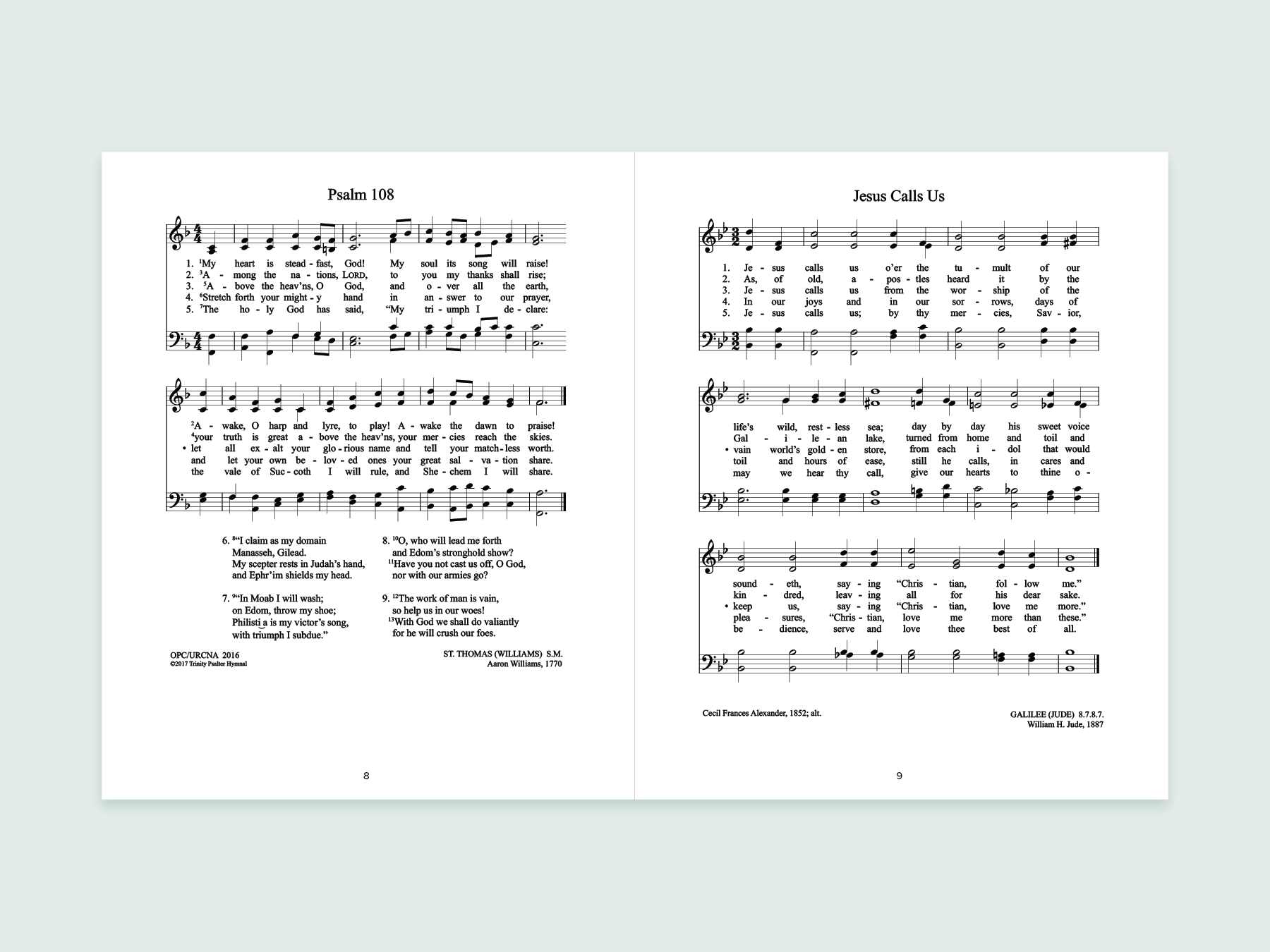

As many of you know, Luke wrote both the gospel of Luke and Acts, and he addressed both to the same person: Theophilus. Now we don’t know exactly who Theophilus was, but there are certainly some clues. For example, Luke gives him the title, “most excellent’ in his gospel which would seem to indicate that he was some sort of Roman official or someone of high social standing.
But really the important detail that we cannot miss is that in Luke’s mind: Acts is not a standalone unattached book of the Bible as we often think of it. The gospel of Luke is all about Jesus’ birth, ministry, death, burial, and resurrection, and Acts is all about how Jesus continues to minister to His people in and through His church. So in Luke’s mind, Acts was a continuation of his gospel account. His gospel was part 1 and Acts is part 2.
Typically, we sort of breeze over introductions to books of the Bible. But in the first five verses of the book of Acts, we learn a lot of very important information about the church, particularly, the church’s source of power. Too often, the American evangelical church falls for the lie that “success” and “failure” are entirely based upon the quality of their youth ministry, personal evangelism, worship music, leadership strategies, or church growth initiatives. And as a result, we begin to believe that building Christ’s kingdom is entirely up to us.
But Acts reminds us that the church is not ultimately built or sustained by human effort. It is built and sustained by Jesus Christ. The mission of the church is entirely dependent upon Christ's authority, His abiding presence, and the power of His Holy Spirit. Our responsibility is not to manufacture success, but to faithfully rely on Christ’s promised means of ministering in and through His Church.
And we learn three things from this passage: first, that the living Christ continues His work (vv. 1-2), second, the living Christ confirms His victory (v. 3), and lastly, the living Christ empowers His church (vv. 4-5).
The Living Christ Continues His Work (vv. 1–2)
Look at how Luke begins the book of Acts. “In the first book, O Theophilus, I have dealt with all that Jesus began to do and teach, 2 until the day when he was taken up, after he had given commands through the Holy Spirit to the apostles whom he had chosen.”
Luke is picking up where his gospel account left off. You could really sum up the gospel by saying it records what Jesus did and taught, up to the moment of his ascension, where he had given the apostles, the twelve disciples, specific instructions. And notice that his commands came through the Holy Spirit. In fact, that’s a good way to describe Jesus’ ongoing ministry in the church—he continues his ministry by and through the power of the Holy Spirit.
But before we go too deeply down that rabbit trail I want to point something else out to all of you. Don’t overlook the fact that Luke said he had “dealt with all that Jesus began to do and teach.” So much is wrapped up in that one little word: began. Because what Luke is effectively saying is that his gospel account, his recording of Jesus’ birth, ministry death, burial, and resurrection, isn’t where the story ends. In fact, Luke wants us to know that Christ’s ministry to his people was, in many ways, just beginning.
The book of Acts, is about the expansion and growth of the church, but more than that it’s about the continuation of Christ’s ministry in and through the power of the Holy Spirit. It’s easy to believe that because Jesus is in heaven and having nothing to do with us down here. It’s not as if Jesus ascended into heaven so he could dust off his hands and say, “my work here is done!” Of course, I’m joking, but there really is a temptation for each of us to believe that the expansion of Christ’s kingdom is all up to us now and we’re all on our own!
What we don’t tend to do, is think of the church as a continuation of Christ’s ministry. We don’t tend to think of Jesus ministering to us by the power of the Holy Spirit—like right now. That’s what happens at church. Do you believe that?
Because, I know for most of us, Sundays are all about getting ready and out the door on time so you don’t roll into church late. And then, you’re wondering about who you might run into once you’re here. Rarely are we thinking, I’m going to hear from the risen Savior this morning. And that’s really Luke’s point!
The church does not ultimately suffer from a lack of creativity, resources, or organizational skill. It suffers whenever it begins to rely on those things more than on the living Christ. Our greatest need is not greater ingenuity but greater dependence upon the One who has promised, "I will build my church."
In the coming weeks, Luke is going to develop what exactly that means with more specificity, so I don’t want to get too far out in front of my skies here, but for now, we have to fundamentally trust what Luke tells us. Jesus still ministers to His people. And we still hear from him today.
Of course, we’re going to think about this more in the coming weeks, so I don’t want to get too far out in front of my skies here, but this is what Luke is talking about when he says that his gospel account recorded simply the beginning of Christ’s ministry.
The Living Christ Confirms His Victory (v. 3)
But how can we know that Jesus still ministers to us? Look at what Luke tells us in verse 3: “He presented himself alive to them after his suffering by many proofs, appearing to them during forty days and speaking about the kingdom of God.”
So Luke is recapping here. After Jesus’ suffering and death on the cross, and resurrection, he appeared to his disciples for forty days and continued to teach them—specifically about the kingdom of God. The kingdom of God is, of course, no ordinary kingdom. It’s not a kingdom of flesh and blood but a spiritual kingdom built through conquering the hearts of sinners.
But really, I want us to reflect upon, what I think, is one of Luke’s emphasizing to us here: the significance of the resurrection. We tend to forget that after the resurrection, Jesus ate with the disciples. Or how about the fact that in 1 Corinthians 15 Paul reminds us that Jesus appeared to more than 500 people after his resurrection. After all, Luke goes out of his way to tell us that Jesus presented himself alive…
He presented himself to so many people in order to confirm that he was really alive. Which of course meant that he had defeated sin, Satan, and death and that salvation through faith in him was possible. In essence, his resurrection confirmed that everything he ever said was true!
His bodily resurrection provides for us the foundation for our faith even 2,000 years later. How can we have confidence that he ministers to us through his word? Or the Lord’s Supper? Or hears us when we pray? Because Jesus is still alive, we can have confidence that he still ministers to our soul and we’re not just throwing pennies into a wishing pond! By the way, I saw a homeless man fishing for change out of one of those wishing ponds with a stick the other day. So that’s what happens to any change you throw in those things.
Because Christ is alive, we never have to wonder whether His ordained ways of ministering to his people are enough, Because the One who appointed them is the very One who ministers through them.
What we believe is so incredibly different from say, Islam, which is entirely dependent on a dead prophet. The same goes for Buddhism. They rely on a dead spiritual leader. But Jesus is alive! He’s every bit alive as you and I are sitting in this room.
Jesus being alive means that he is very active in his church. That’s Luke’s point. When you read the end of John’s gospel, after the resurrection, John goes out of his way to tell us that Jesus would appear to his people when they gathered on the first day of the week! He’d show up on Sunday!
The resurrection means that Jesus did not simply accomplish salvation and then retreat to heaven to watch history unfold from a distance. No, He ministers to us and we know that he does minister to us because he’s still alive.
And of course, that has profound implications for how we think about worship every Lord's Day. When we gather around the very things that Jesus himself told us to do, like hearing his word preached, participating in the Lord’s Supper, or when we pray—we are not merely remembering a great teacher who once lived. We are meeting with the risen Christ and who is present with us by His Holy Spirit, ministering to His people through the ordinary means of grace He Himself established.
This is so important because it means we don't have to invent something new every Sunday. We don't have to entertain people into the kingdom. We don't have to wonder whether God's appointed means are still effective in a modern world. Why? Because the One who ordained them is alive. The One who commands the preaching of His Word is alive. The One who welcomes us to His Table is alive. The One who hears the prayers of His people is alive.
Sometimes we can be tempted to think the church needs something more—more innovation, more creativity, more spectacle, more excitement. But Acts reminds us that the church has always possessed everything it needs because it possesses a living Savior. The power has never been in the personality of the preacher, the excellence of the music, or the ingenuity of the programs. The power is in Christ Himself.
Do you believe it?
From the world's perspective, worship might look unimpressive. A man stands behind a pulpit and preaches. Bread is broken. A cup is shared. Ordinary people pray together and sing psalms and hymns. Nothing about it seems spectacular. And yet, through these ordinary things, the risen Christ is accomplishing extraordinary things. He is converting sinners, strengthening saints, comforting the weary, correcting the wandering, and conforming His people into His own image.
The resurrection assures us that there is real power in the church that Christ has built. The effectiveness of the church relies on the fact that Christ lives. The living Christ has promised to build His church and so our confidence is never in the creativity of the church but in the faithfulness of the Savior who continues His ministry among His people every Lord's Day.
The Living Christ Calls His Church to Wait (vv. 4–5)
Which is why what he says in verses 4-5 are so significant. Look at those verses with me.
And while staying with them he ordered them not to depart from Jerusalem, but to wait for the promise of the Father, which, he said, “you heard from me; 5 for John baptized with water, but you will be baptized with the Holy Spirit not many days from now.”
Notice that Jesus doesn’t immediately send out the apostles, which is what you’d expect, right? You’d expect Him to say, "I’m about to ascend into heaven and when I do the clock starts! You better get out there and start telling people about me as soon as possible!”
Now he tells them that they’re going to be baptized with the Holy Spirit soon. Obviously, he’s pointing to what will happen at Pentecost, where the Spirit fell upon his people like fire. Acts 2:3 tells us that “... divided tongues as of fire appeared to them and rested on each one of them. 4 And they were all filled with the Holy Spirit and began to speak in other tongues as the Spirit gave them utterance.”
Again, I don’t want to steal my own thunder in the coming weeks, because we’ll certainly give a fuller treatment when we get to Acts 2, but for right now, what I think is important for us to understand that it was only when the Holy Spirit fell upon them, that the ministry of the church had any power.
Which is an incredibly important point! The power wasn’t going to come through techniques, or styles. It was going to come by the power of the Holy Spirit. He was going to give them what they needed for ministry.
But before they could do anything—they needed to wait. You read this, and you may wonder: why? Why didn’t Jesus send the Holy Spirit, right then and there? Why did they need to wait?
I think the answer is that waiting does something to our hearts. Waiting forces us to recognize our lack of control. Because when you’re not in control, oftentimes, you have to wait. Waiting at its core, highlights your dependence on something outside of yourself.
"...wait for the promise of the Father you heard from me; 5 for John baptized with water, but you will be baptized with the Holy Spirit not many days from now.”
Before the preaching, before the sacraments, before the church could be built in all of its glory, the apostles, the founders of the church, had to wait and to receive the Holy Spirit who would give them the strength and power to do it.
That tells us something incredibly important about the nature of Christ's kingdom. God's work must be accomplished by God's power. The Apostles’ needed the Holy Spirit. And not in the charismatic, speaking in tongues sense. Rather in the necessity for divine power in order to fulfill the task that had been given to them. In order to make disciples of all nations they needed the Holy Spirit. They needed divine help.
Which is remarkable when you think about it. The apostles had spent three years under the greatest teacher the world has ever known. They had witnessed countless miracles. They had seen the risen Christ with their own eyes. If anyone was qualified to build the church and begin its mission, it was them. Who here hasn’t said at some point: “I wish I could have been there!” And yet Jesus says, "y’all need to wait on the Holy Spirit. Y’all are going to be able to do anything without him.”
The reality is human ability—even sanctified, Christian human ability—is never enough to accomplish spiritual work. Again, the church does not grow by clever strategies, persuasive personalities, or organizational excellence. It grows through the divine power of the Holy Spirit. God has to do it. Jesus didn’t tell Peter, “you’re going to build my church…” He says, “I’m going to build my church…” From the very beginning, Jesus wanted His disciples to understand that the success of His church would never depend upon the strength of its servants, but upon the power of His Spirit.
And so the question before us is, do we genuinely believe that in order for us to reach lost, build up the saints, and strengthen the weary, we must first recognize our utter dependence upon the Lord. We’re in desperate need of divine help.
This is why we pray. Because we’re utterly dependent upon Him. Do you pray? Do you recognize your utter dependence upon the Lord? Do you recognize our church’s utter dependence upon the Lord? Then we must be a praying people.
The church's greatest need is not greater ability. Our greatest need is to be more dependent on Christ. We must wait on him.
These opening lines from Acts 1 really challenge an ingrained belief that so many in the church have: the future of Christ's kingdom ultimately rests upon us. We think that if we can just find the right strategy, hire the right staff, launch the right ministry, then we’ll be on our way towards doing something incredible for God. But if we’re not careful, we can slide the effectiveness of the church off of God’s shoulders and onto our own.
But Acts begins by reminding us that the mission of the church has never been ours to carry and the story of Acts has never ended.
The same Christ who continued His work through Peter at Pentecost, through John in Jerusalem, through Stephen before the Sanhedrin, through Philip in Samaria, through Barnabas in Antioch, and through Paul across the Roman Empire is still continuing His work today. He is doing it in places far more ordinary than Jerusalem or Rome. Places like Roanoke, Virginia.
He is doing it through ordinary pastors who faithfully preach the Word of God. He is doing it through ordinary elders who shepherd Christ's flock. He is doing it through ordinary parents teaching their children the Scriptures around the dinner table. He is doing it through ordinary Christians loving their neighbors, sharing the gospel, serving one another, and gathering Lord's Day after Lord's Day around His Word, His sacraments, and prayer.
The heroes of Acts were never really the apostles. The hero of Acts is Jesus Christ.
Luke's first book recorded everything Jesus began to do and teach. His second book records everything Jesus continues to do and teach. The apostles were simply instruments in the Redeemer's hands. They were weak men, ordinary men, sinful men who were used by Christ to build his church.
That ought to give you tremendous confidence. It’s a gross error to think that we need more than what Christ has given us. Our calling is simple and freeing. We are called to faithfully participate in the mission of the risen King. The church should preach His Word. The church should faithfully administer His sacraments. The church should pray.
The success of Christ's kingdom has never depended upon extraordinary people. It has always depended upon an extraordinary Savior. So as we begin our journey through the book of Acts, remember that Jesus continues to build His church and the gates of hell shall not prevail against it.
Amen. Let’s pray together.
