
At some point in each of our lives, we've been accused of something we didn't do.
Maybe someone misunderstood something you said. Maybe someone questioned your motives. Maybe someone blamed you for something that wasn't your fault. How did you defend yourself?





Did you immediately deny it? Did you get angry? Did you lash out at the person accusing you? Did you try to explain yourself, piece together the facts, and convince everyone that you were innocent?
I think most of us know what that feels like. When someone accuses us unjustly, our natural instinct is to defend ourselves. We want to clear our names. We want people to know the truth. Sometimes we want to make sure the person accusing us knows just how wrong they are, put them on blast, and get our pound of flesh.
And really that’s what makes Stephen’s defense so interesting. He doesn’t do any of those things. Instead, Stephen takes his opportunity to defend himself and proceeds to walk the Sanhedrin through Israel’s history. It’s an unusual defense strategy isn’t it?
It’s probably something of a familiar passage to many of you because Stephen was the first Christian martyr.
Now Stephen is on trial before the Jewish Sanhedrin, the highest Jewish ruling and judicial council in Jerusalem. It consisted of 71 members, including the high priest, chief priests, elders, and scribes. Its membership included both Sadducees and Pharisees.
Stephen’s been accused of blaspheming Moses and God. More specifically, he's accused of speaking against the temple and the Law of Moses, and of teaching that Jesus of Nazareth would destroy the temple and change the customs that Moses had handed down to Israel.
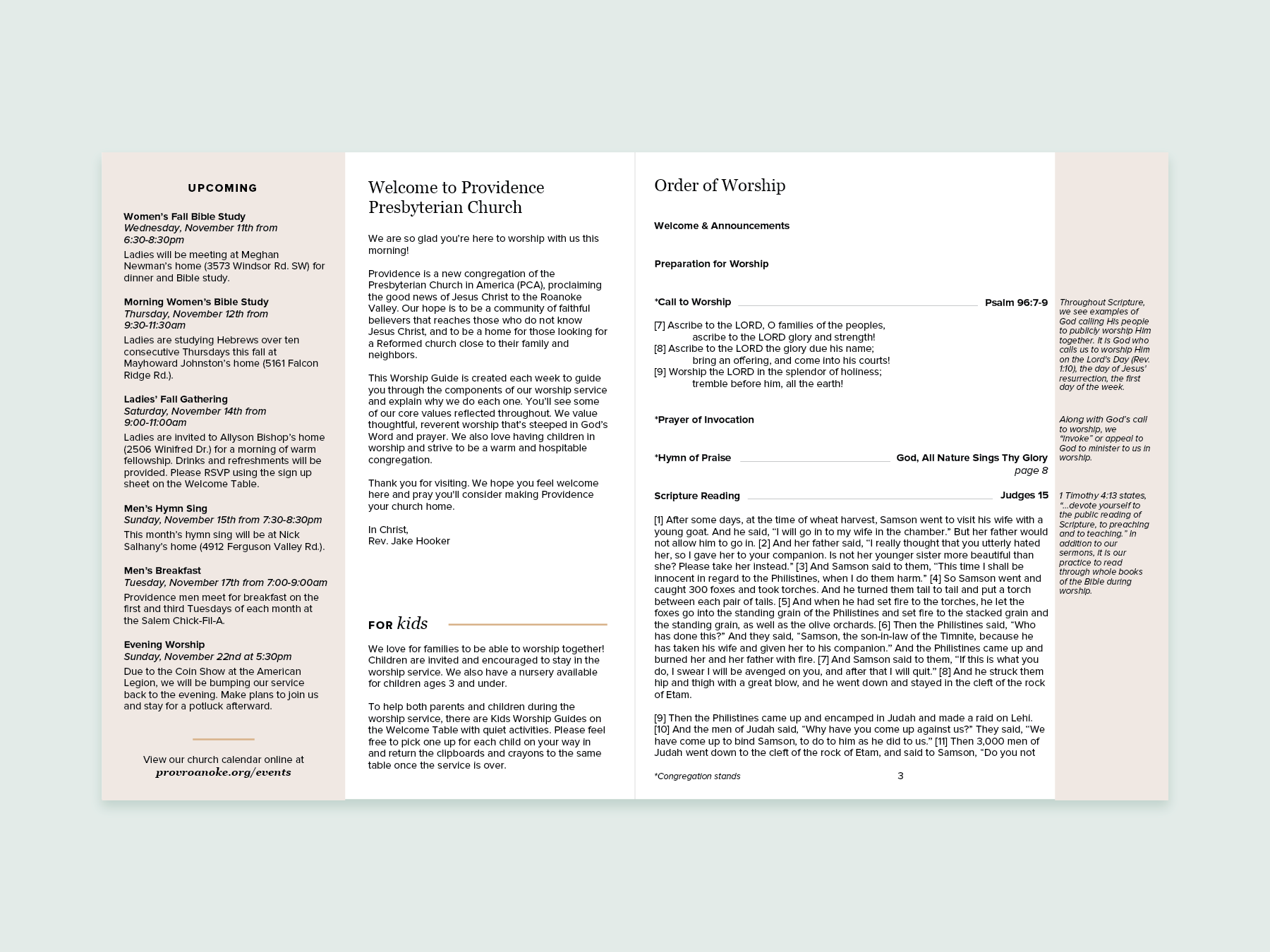
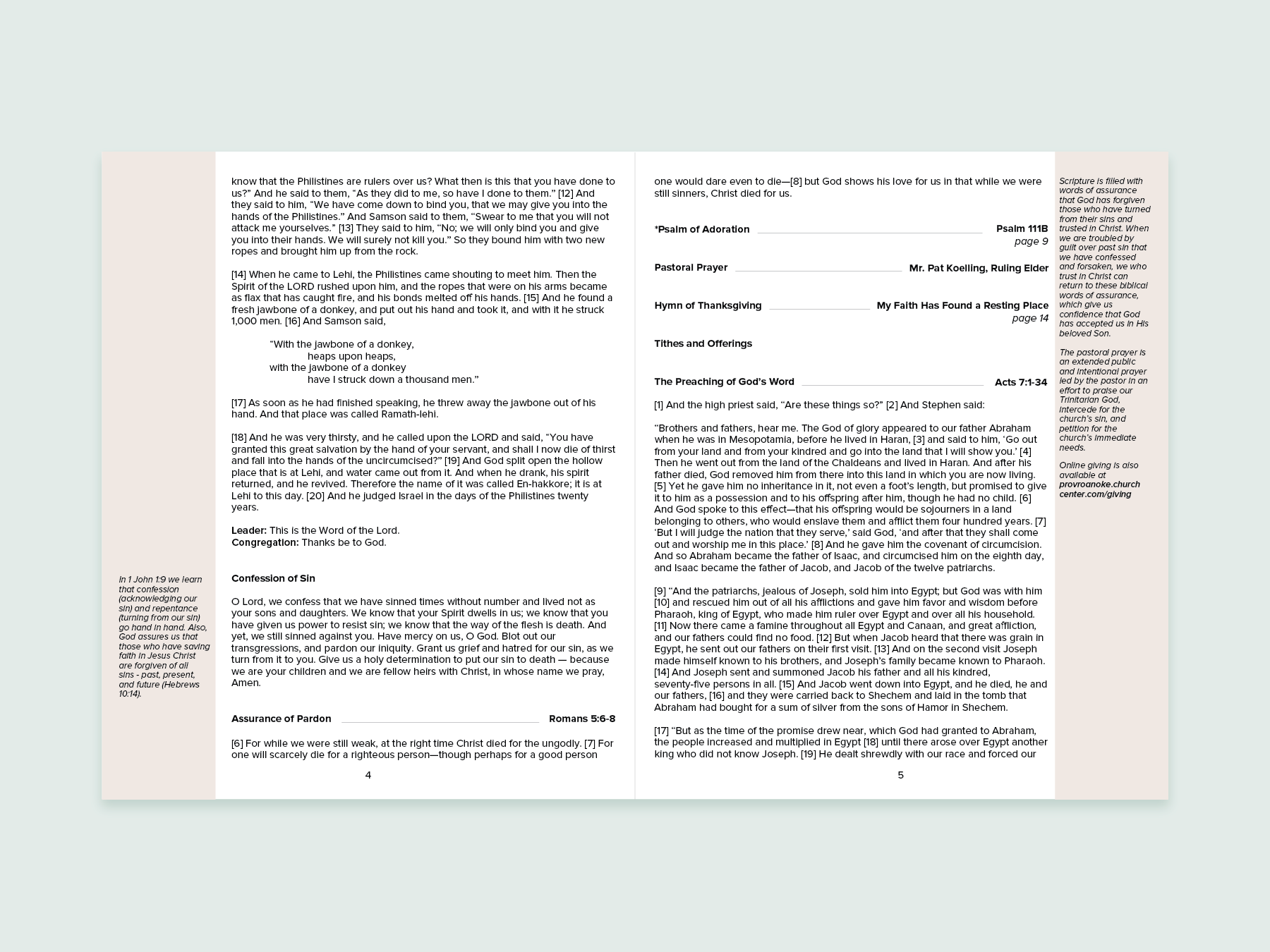
We’re going to look at his speech over the next three weeks because it breaks down neatly into three sections. We’re going to look at verses 1-34 this morning where Stephen traces Israel’s history, next we’ll look at Israel’s resistance to God’s messengers, and then lastly we’ll look at his unwavering commitment to God’s glory.
Probably the most interesting part is that Stephen’s speech isn’t a speech for his own self-preservation. It’s a defense of the Christian faith. I like the way the commentator F.F. Bruce put it. He said Stephen's speech isn’t “calculated to secure an acquittal before the Sanhedrin.” Rather, it is “a defense of pure Christianity as God’s appointed way of worship.”
And so everything that Stephen says in chapter 7 has to be looked at through that lens. It’s not a speech in the classic sense, or his attempt at truly defending himself, rather it’s a defense of following Jesus Christ.
Stephen wants to show the Sanhedrin that God remains faithful to his promises, even when his people are unfaithful to him. In these first 34 verses we see that God faithfully made promises to his people (vv. 1–8), He faithfully preserved his people (vv. 9–16) and lastly, He faithfully provided a deliverer for his people (vv. 17–35).
God faithfully made promises to his people (vv. 1–8)
In order to prove his point, Stephen goes all the way back to Abraham. He reminds the Sanhedrin in verses 2-4 that Abraham was a pagan man living in Mesopotamia when God called him to leave his kindred and go into a land that he would show him. God even told Abraham that He would build his offspring into a mighty nation.
But of course, God made all of these promises to Abraham before he owned an inch of land or even had a child! How would an entire nation descend from a childless man? God even gave Abraham the covenant of circumcision, which served as a sign of God's covenant promise that He would indeed make him the father of a multitude of nations and establish his covenant with his offspring.
And that really highlights the theme of Abraham’s life: everything that was promised and subsequently fulfilled was all initiated by God. Abraham wasn’t seeking after God, but God was seeking after him.
You see, Abraham’s story isn’t a story of personal success. It’s a story of God’s faithfulness.
And there's a significant reason Stephen begins his speech with Abraham: somewhere along the way, the Jewish people began to place more of their trust in the man of their heritage, Abraham, than in the God of the man of their heritage.
They began to miss the forest for the trees, so to speak. Abraham became the source of their hope. They took great comfort in being his descendants, as though their physical connection to Abraham somehow guaranteed their standing before God.
Which is something Jesus addressed himself in John 8.
There, the Jews appeal to their ancestry, saying, "Abraham is our father" (John 8:39). But Jesus challenges their confidence in that heritage. He tells them that if they were truly Abraham's children, they would be doing the works Abraham did. Instead, they are seeking to kill the very one who has spoken the truth of God to them.
In other words, having Abraham as your father means very little if you don't share Abraham's faith.
And I think that's part of what Stephen is getting at here. He wants these men to remember that Abraham himself wasn't the source of Israel's hope. God was. Abraham was simply the recipient of God's grace and promises.
Notice how Stephen begins: "The God of glory appeared to our father Abraham..." (Acts 7:2).
The emphasis isn't on Abraham's greatness, but on God's gracious initiative. God appeared. God called. God made promises. God established a covenant.
And it’s easy for all of us to sit here and scoff at the Jewish people for placing their hope in sharing a bloodline with Abraham rather than sharing his faith. But how easy is it for us to think that because our father or mother was a great Christian man or woman that that means something for us? Or because we attend the church of this well-known pastor then God is going to roll out the red carpet for us so that we can stroll right into heaven? Or what about the people who think their knowledge of Scripture will help them earn brownie points with God?
We can appreciate and know these things without ever truly knowing God. In the same way someone can do a DNA test and prove they are directly related to Abraham without ever sharing the faith of Abraham.
Abraham’s story is a story of God's covenant promises.
God faithfully preserved his people (vv. 9–16)
Stephen moves from Abraham to Joseph, showing that God's faithfulness did not end when his people encountered hardship. Even when God's people acted wickedly, God fulfilled his promises.
Which is a simple, straightforward way to summarize Joseph’s life, isn’t it? Joseph faced so much injustice in his life, didn’t he? His brothers, the patriarchs of Israel, were jealous of him. So jealous in fact, that they nearly murdered him but ended up selling him into slavery instead. He was taken away from the land of his kindred, lied about, and eventually wound up in prison.
Bad thing after bad thing happened to Joseph, and in spite of all of that, Stephen says something very interesting about him in verse 9: “But God was with him.” People mistreated him, his brothers hated him, they abandoned him, and they sold him into slavery. He was taken away from his home, separated from his family, falsely accused, and thrown into prison. Yet, through all of it, God was with him.
And that's an amazing statement because, on the surface, nothing about Joseph's life seemed to be going right, much less the fulfillment of any of God's promises. Remember, Joseph had received those dreams from God. God had revealed to him that one day his family would bow down before him. But how could that possibly happen when he was a slave in Egypt? How could God's promises possibly come to pass when Joseph was sitting in an Egyptian prison, forgotten by the very people he had helped?
And yet, that's precisely the point Stephen wants us to see. The presence of suffering does not mean the absence of God. The fact that Joseph couldn't see how God's promises were going to be fulfilled didn't mean that God had abandoned him or that His purposes had somehow been frustrated.
In fact, God was working through every one of those painful circumstances to accomplish exactly what He had promised. What Joseph's brothers intended for evil, God intended for good. What looked like a series of unfortunate and disconnected events was actually the unfolding of God's sovereign plan.
And that's something we need to remember. We are often tempted to evaluate God's faithfulness by looking at our circumstances. If things are going well, we assume God must be with us. But when things begin to fall apart, when we're mistreated, when doors close, when our prayers seem unanswered, we begin to wonder whether God has forgotten us.
But Joseph's life reminds us that God's presence is not measured by the ease of our circumstances, and His faithfulness is not determined by how clearly we can see what He's doing.
Which is such a healthy reminder for all of us. Regardless of the diagnosis, regardless of the stressful financial situation, regardless of the frustrations you may be experiencing in the world, if you’re trusting in Christ this day, God is with you even when everything around you seems to suggest otherwise.
But that's not where Joseph's story ends. As Stephen reminds the Sanhedrin, a famine eventually came upon Egypt and the surrounding region. By this time, Joseph had been raised to a position of authority in Egypt, and he had stored up grain in preparation for the famine. So Jacob sent his sons down to Egypt to buy food. And it was on their second visit that Joseph finally made himself known to his brothers. Eventually, Jacob himself, along with his entire household, came down to Egypt, where Joseph provided for them and preserved their lives.
Joseph became the instrument by which God preserved the lives of the very people who sought to kill him. I always think about the line from Genesis 50 where Joseph says, “you meant evil against me, but God meant it for good.”
God faithfully provided a deliverer for his people (vv. 17–35).
But there is an interesting pattern that Stephen is developing in his speech. Joseph’s own people rejected him, yet he was God’s chosen instrument to deliver them. Once he was in power in Egypt provided for his family and it was in Egypt over the course of, as Stephen reminds us, it took 400 years for a large family to form into a mighty nation.
When Joseph’s name comes up you don’t necessarily think of a mighty deliverer. You think of a man who suffered greatly. The deliverance aspect of Joseph’s story is somewhat subtle, but it’s much more explicit with Moses.
Stephen traces Moses’ life. He grew up in Egypt at a time when Pharaoh was oppressing Israel because Israel was growing too rapidly, so he sought to destroy all the little boys. But God preserved Moses through it all.
The main part of Moses’ story that Stephen zeros in on is when Moses was exiled to Midian. He saw an Israelite being abused, intervened and ultimately murdered the Egyptian abuser. If you grew up in church, you’re probably familiar with that story.
But Stephen says something very interesting about that story in verse 25. He said that, "[Moses] supposed that his brothers would understand that God was giving them salvation by his hand, but they did not understand."
In other words, Moses believed that his fellow Israelites would recognize that God was going to rescue the entire nation by his hand. He understood that God had raised him up for a purpose, and he expected his own people to recognize that as well, but of course, they didn't. Instead of recognizing Moses as the one God was raising up to deliver them, they rejected him.
Instead they asked, “Who made you a ruler and a judge over us?”
It was at that point, Moses fled to the land of Midian, but eventually God appeared to Moses in the burning bush and sent him back to Egypt to deliver Israel.
But Stephen's main point really comes into focus in verse 35. He says, “This Moses, whom they rejected, saying, 'Who made you a ruler and a judge?'—this man God sent as both ruler and redeemer.”
And that's the pattern Stephen is exposing throughout Israel's history. God makes promises to His people, provides for them, delivers them, and raises up men to redeem them. Yet time and time again, the people respond with doubt, resistance, and rejection of the very means God has appointed to accomplish His purposes.
God made promises to Abraham, even when their fulfillment seemed impossible. God raised Joseph, to preserve his people despite being sold into slavery. And God sent Moses to deliver Israel from their bondage in Egypt, even though the very people he was sent to deliver initially rejected him.
The people of God repeatedly resist the very instruments God raises up to save them. And Stephen is making it unmistakably clear that what happened with Abraham, Joseph, and Moses is happening again in their own generation. Only this time, the one they have rejected is far greater than all the others. They have rejected Jesus Christ, the very Righteous One whom God sent to redeem His people.
And here’s Stephen on trial for speaking against Moses, the law, and the customs that have been handed down in Israel. They’re effectively accusing Stephen of undermining everything that God established through Moses because he preaches Christ.
And Stephen’s response is very simple. He traces the history of Israel in order to remind them that anyone of significance throughout Israel’s history was at some point rejected by his own people.
Which is interesting when you consider the fact that Moses had become the most important figure in Judaism. In John 5 Jesus said, “Do not think that I will accuse you to the Father. There is one who accuses you: Moses, on whom you have set your hope.”
Jesus tells them that they had set their hope on Moses, but to Stephen’s point, there was a time when they rejected Moses.
And here, in Acts 7, they believe they are defending Moses and preserving the faith of their fathers, but in reality, they are doing exactly what their fathers did: rejecting Jesus Christ, the very Deliverer God has sent to save them.
The Sanhedrin had already made up their minds about Jesus. They had already determined who He was, what He represented, and what needed to be done with Him. When Stephen stood before them and presented the Scriptures, they weren't approaching his words with a willingness to be corrected. They weren't asking whether what Stephen was saying was true. They were looking for reasons to reject it.
They were more interested in defending their position rather than examining whether what Stephen said was faithful to God's Word.
There’s something dangerous about approaching the Bible with an unwilling spirit to be taught, corrected, or instructed, but as people who simply want to have all of our existing opinions affirmed.
And there's nothing inherently wrong with having convictions. In fact, we ought to have convictions, and we ought to hold firmly to the truth of God's Word. But we must always be willing to ask whether those convictions are actually grounded in Scripture. We must be willing to let God's Word examine our thinking rather than simply using God's Word to defend our thinking.
But we’re in a dangerous place when we believe we’re always right and can never be corrected. When was the last time you came to the Word of God and genuinely asked the Lord to show you where you might be wrong? When was the last time you read a passage and allowed it to expose a sin you had been excusing, challenge an attitude you had been defending, or correct an assumption you had never bothered to question?
The Sanhedrin knew their Bibles. They knew the history of Israel. They knew the promises of God. They knew the writings of Moses and the prophets. And yet, when the very person to whom all those Scriptures pointed stood before them, they rejected Him.
So we must be careful. It is possible to know the Scriptures and yet resist the God who speaks through them. It is possible to be zealous for our theological convictions and yet be wrong because we have allowed those convictions to become more authoritative in our minds than the Word of God itself.
The question isn't whether God's Word agrees with us. The question is whether we are willing to submit ourselves to God's Word.
And that requires humility. It requires us to come to Scripture not merely to find support for what we already believe, but to be shaped, corrected, and transformed by what God has revealed. We must be people who are always willing to say, “If I am wrong, Lord, show me. If my thinking is out of step with Your Word, correct me. And give me the grace to submit to whatever You have said.”
We may be slow to listen, stubborn in our thinking, and resistant to His Word, but Stephen reminds us that God remains true to His promises. We must be willing to receive God's Word even when it confronts our assumptions.
The God who was faithful to Abraham, Joseph, and Moses is the same God who has been faithful to us in Jesus Christ. Think about it: Abraham waited for the fulfillment of God's promises, Joseph endured years of suffering before seeing God's providence, and Moses was rejected by the very people he had been sent to deliver. Yet through all of it, God was accomplishing exactly what He had promised.
And that same faithfulness is most clearly displayed in the person and work of Jesus Christ. He was rejected by His own people, betrayed, condemned, and crucified. But even through the wickedness of those who put Him to death, God was accomplishing His plan of redemption. And on the third day, He raised Jesus from the dead, vindicating Him as the very Savior His people needed.
So our confidence does not ultimately rest in our own faithfulness, our own understanding, or even our ability to recognize what God is doing in every circumstance. Our confidence rests in the faithfulness of God. He keeps His promises. He accomplishes His purposes. He does not abandon His people.
And therefore, may we be a people who are humble enough to receive His Word, faithful enough to follow Christ even when the world rejects Him, and confident enough to trust that the God who has brought His promises to fulfillment in Jesus Christ will never fail us.
The promises of God have never failed, and they never will.
Amen. Let’s pray together.
