
Six Interesting Observations from Pentecost - Acts 2:1-13
Unfortunately, we were unable to record this sermon. Please see the transcript below.
At the PCA's General Assembly last month, Kevin DeYoung made a comment that has stuck with me, because it was a comment that I heard when I was in seminary as well. And that is, preachers shouldn't simply preach sermons that consist of a series of interesting observations from a Bible passage. A sermon is meant to do more than explain the text—it should press the truth of God's Word upon our hearts and lives.

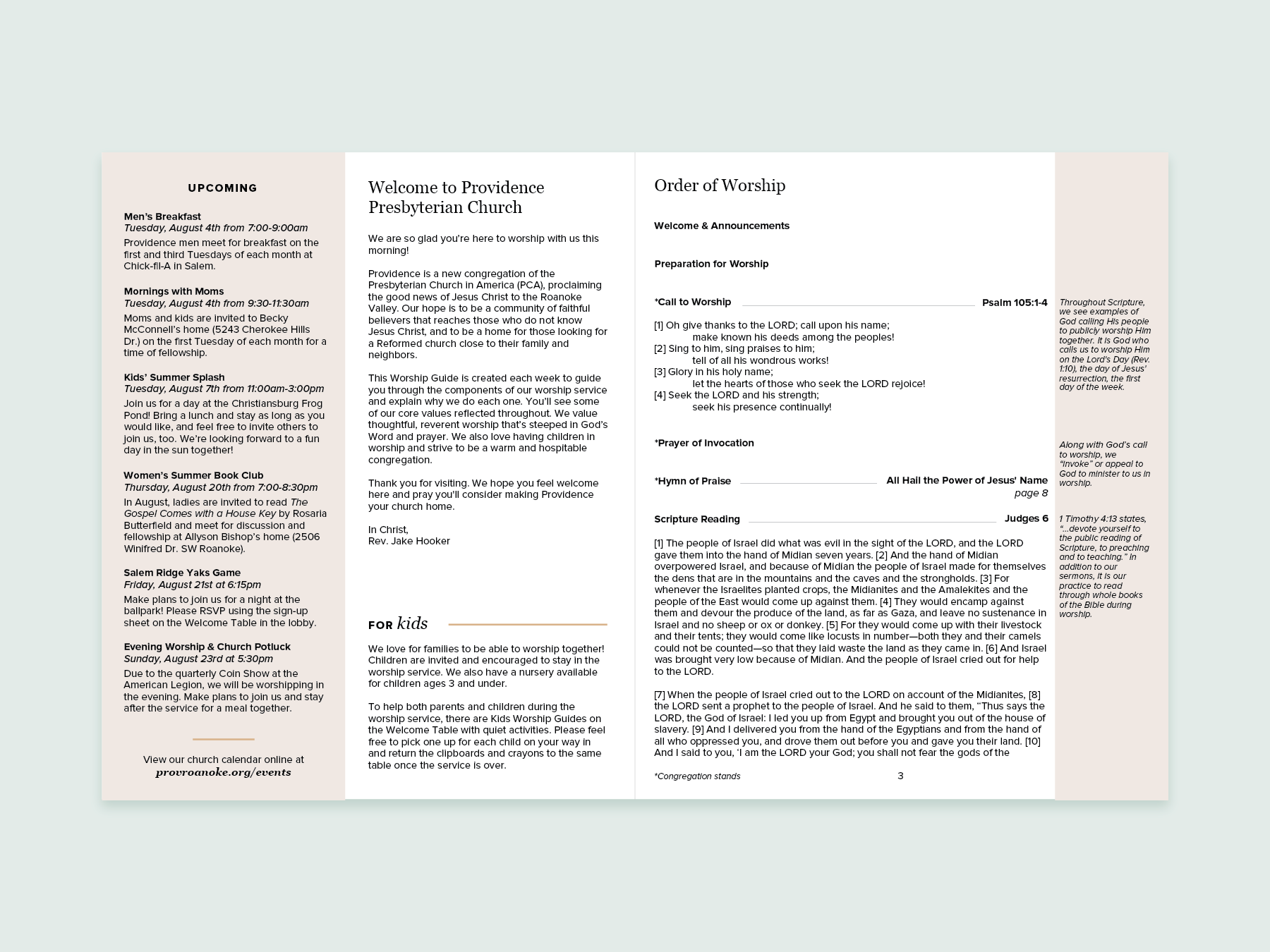
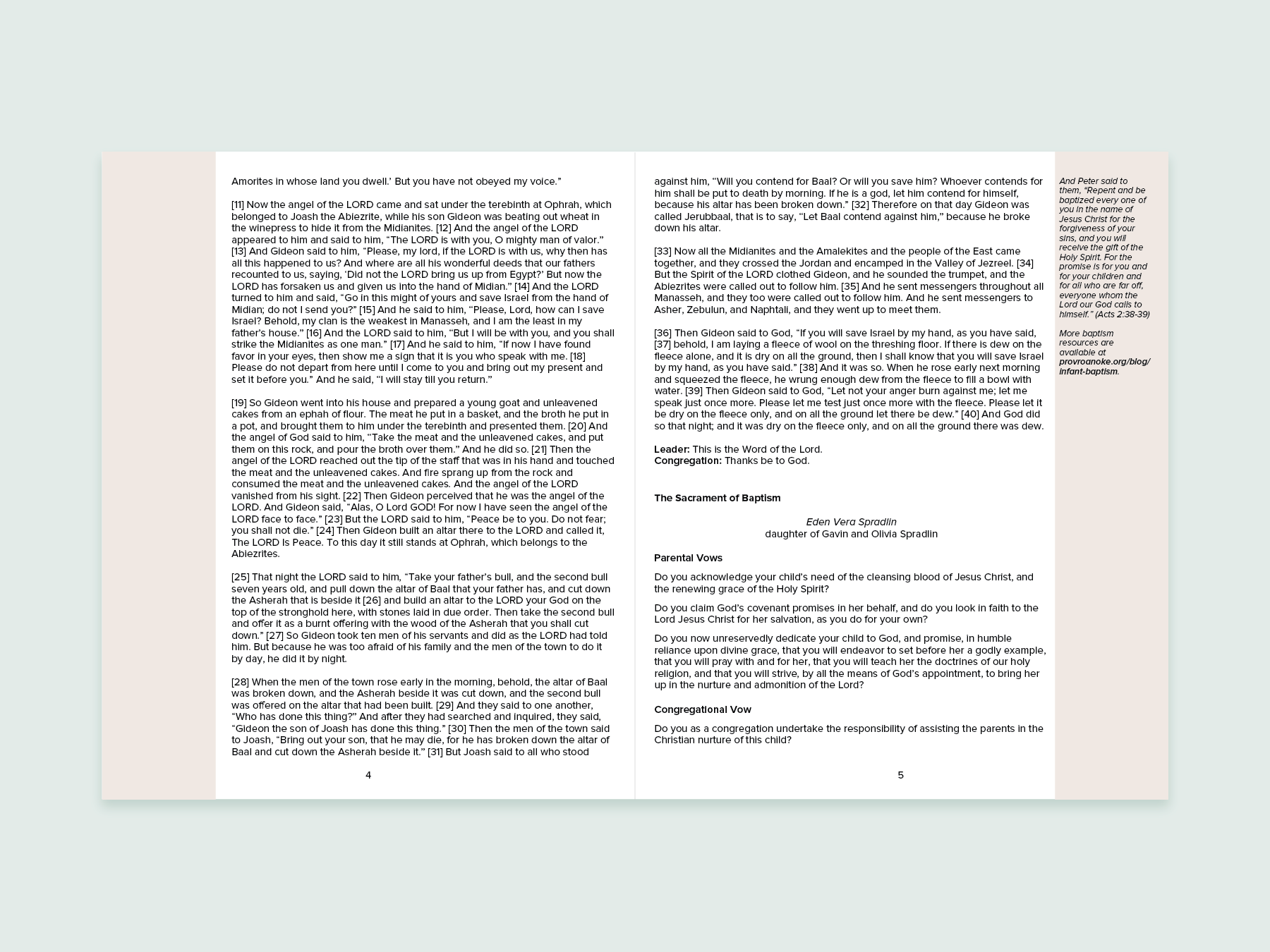
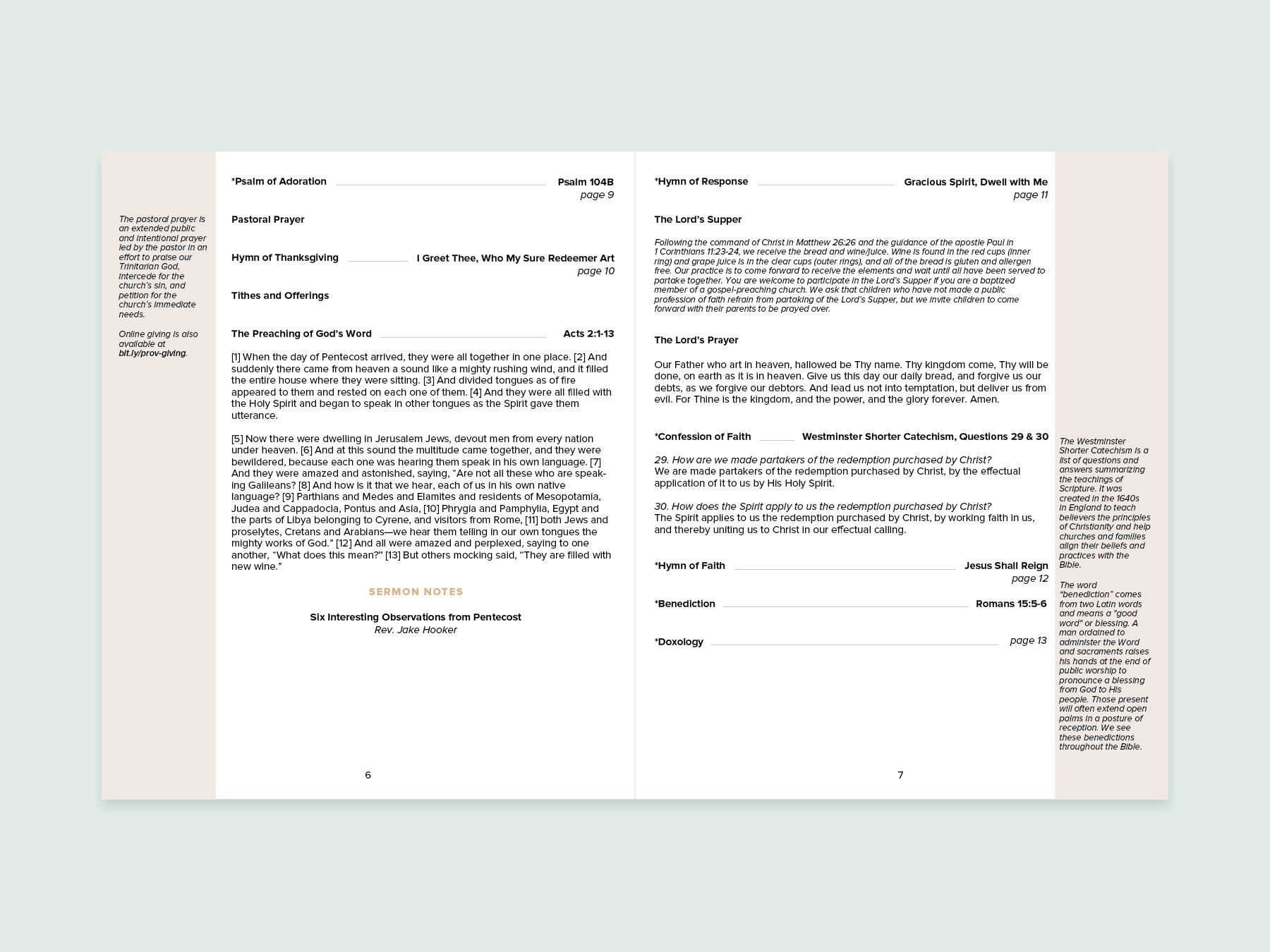
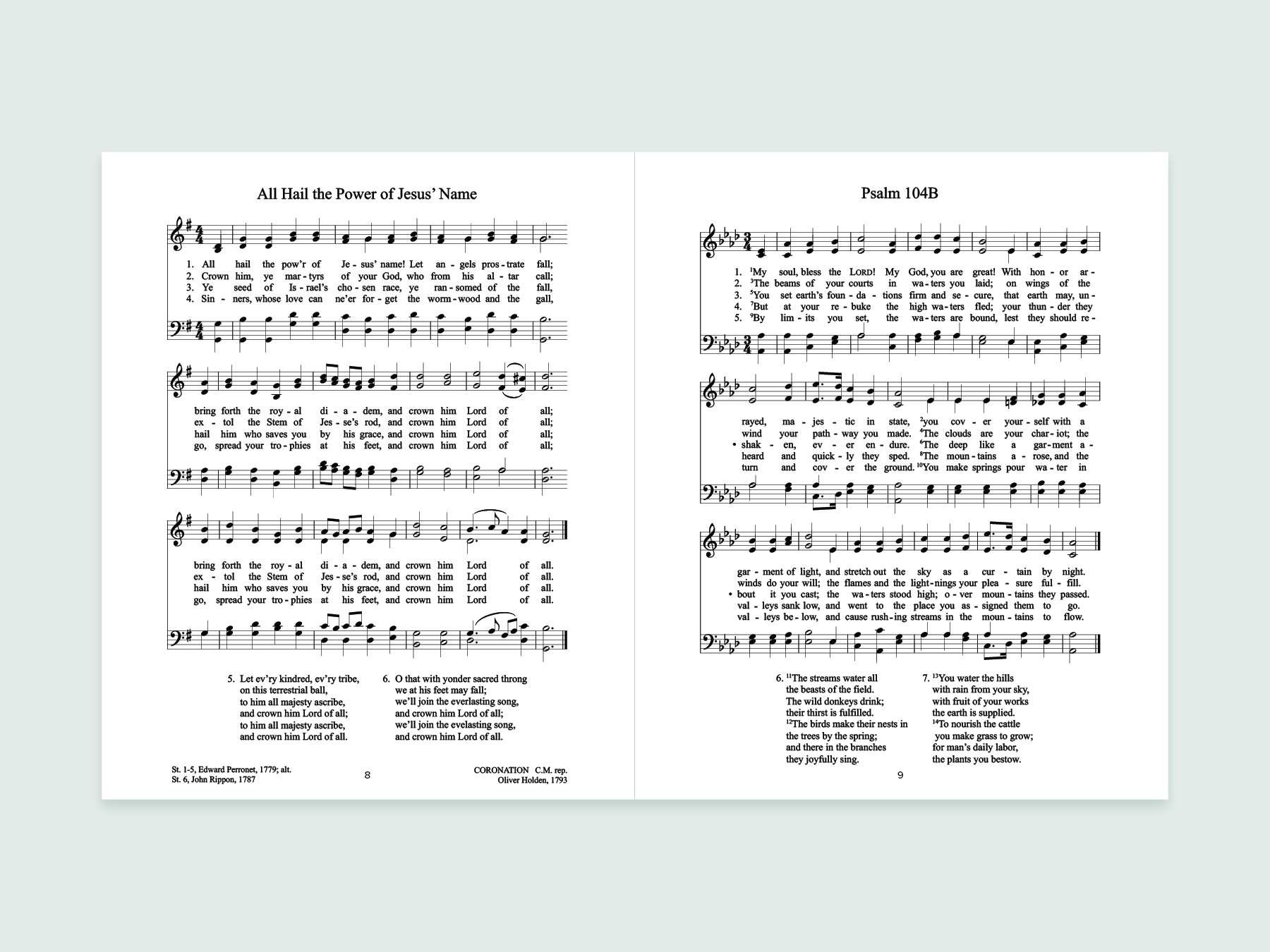

So in light of that advice, I’ve titled this sermon, “Six Interesting Observations from Pentecost.”
To be fair, Kevin ended up breaking this rule in his sermon as well. But he inspired me to do it this morning. So if this sermon is horrible–it’s actually his fault. I’m just kidding.
In all seriousness, though, passages like this one are difficult to preach because there is so much happening. Luke isn't simply recording one event; he's drawing together themes that stretch across the entire storyline of Scripture. Every detail—the timing of Pentecost, the wind, the fire, the languages—is loaded with theological significance. And if you don’t take a moment to draw them out, you miss something significant. Which is why I want to make six observations that help us understand what Pentecost means and why it matters for the church today.
And of course, at Pentecost, the ascended Jesus fulfills God's redemptive promises by creating a new, Spirit-filled people from every nation. That’s the theme that everything falls under. In case you’re wondering, the six observations we’re going to make is, first, the significance of Pentecost (v. 1), second the significance of the wind (v. 2), third the significance of the fire (v. 3), fourth the significance of tongues (v. 4-11), fifth the significance of reversal (6-8), and lastly, the significance of one people (v. 9-13).
This will be a brief two hour sermon.
Observation 1: The Significance of Pentecost (v. 1)
Now we have to keep in mind where we are in the book of Acts. Jesus had told his disciples to go back to Jerusalem and wait, because they “...will be baptized with the Holy Spirit not many days from now.”
And so, they go to Jerusalem and head back to the upper room where they’ve spent time in prayer and replaced Judas Iscariot with Matthias.
They’re gathered together in one place, “when the day of Pentecost arrived.”
Generally speaking, most of us probably think of Pentecost as a New Testament phenomenon. And that’s of course, true. No where else in Scripture is there wind, fire, and tongues. It’s only here in this passage.
But it’s worth noting that Luke goes out of his way to report that this major New Testament event took place on the day of Pentecost, which literally means “fiftieth” because Pentecost takes place fifty days after Passover.
Some have noted the connection between Pentecost and Mount Sinai, suggesting that the giving of the law in Exodus 19 may have taken place around this same time. And of course, it’s true that the Old Covenant and New Covenant parallels are certainly striking. At Sinai, God came down to dwell with his people and establish his covenant. At Pentecost, God again comes down—not upon a mountain, but upon his people—to establish the new covenant through the gift of the Holy Spirit.
But what I find to be the most straightforward connections is found in the agricultural imagery of Pentecost itself. The feast at Pentecost is also known as “The Feast of Weeks,” or “The Feast of First Fruits,” which was associated with the first fruits of the harvest. Pentecost was an Old Testament feast where God's people brought a portion of the harvest before the Lord, as a demonstration of their trust that a greater harvest was still to come.
And when we understand that background, we begin to see the significance of what Luke is telling us. On the day of Pentecost, the first fruits of a far greater harvest was gathered in, but this time it wasn’t grain, rather it was souls. We later learn that 3,000 people were saved. What Israel had celebrated for centuries as a harvest festival now finds its ultimate fulfillment in the gathering of sinners into the kingdom of God.
When reflecting on this truth, I couldn’t help but for my mind to go to Matthew 9. Because it’s in Matthew 9, Jesus looks out at a crowd of people and “had compassion for them, because they were harassed and helpless, like sheep without a shepherd.”
It’s there that Jesus famously says, "The harvest is plentiful, but the laborers are few; therefore pray earnestly to the Lord of the harvest to send out laborers into his harvest.”
Of course, Jesus was not speaking about a literal harvest. He was speaking about people who desperately needed to hear and believe the good news of the gospel. And at Pentecost, that harvest begins in a remarkable way as the ascended Christ pours out his Spirit and gathers his people.
He is the Lord of the Harvest.
Observation 2: The Significance of the Wind (v. 2)
Which brings us to observation 2. We’re told in verse 2, “And suddenly there came from heaven a sound like a mighty rushing wind, and it filled the entire house…”
Luke is very careful with what he says here. Notice he doesn’t say there were actual tornado force winds in the upper room. He says it was the sound like a mighty rushing wind.
Throughout Scripture, wind and breath are closely associated with God's life-giving Spirit. In Genesis, God breathes life into Adam. In Ezekiel 37, the Spirit breathes life into a valley of dry bones. And in John 3, Jesus tells Nicodemus that the Spirit moves like the wind, bringing about the new birth.
Now, in Acts 2, that same Spirit comes upon the early church with the sound of a mighty rushing wind. Luke's point is clear: the church was powerless apart from the Holy Spirit. That has been one of the dominant themes of these opening chapters of Acts. Before the disciples could carry the gospel to the ends of the earth, they first had to receive power from on high. Jesus never intended for them to fulfill the Great Commission through their own wisdom, determination, or abilities. They were utterly dependent upon the Holy Spirit.
And of course, so are we. We need the Holy Spirit to move now more than ever. We cannot manufacture conversions, revive spiritually dead hearts, or build Christ's kingdom through better organization, more programs, or big personalities. Only the Spirit can convict people of their sin, open blind eyes to the beauty of Christ, and grant the gift of faith. Our calling is to faithfully proclaim the gospel, pray earnestly, recognizing that apart from the Lord, our labor is in vain.
Observation 3: The Significance of the Fire (v. 3)
Observation number 3: The significance of fire. Look at what Luke records for us in verse 3, "And divided tongues as of fire appeared to them and rested on each one of them."
Here there were, real, appearances of tongues of fire over each of them. Which of course, fulfilled the words of John the Baptist who said that Jesus would, “baptize with the Holy Spirit and fire.”
There is tremendous Old Testament imagery associated with God’s presence, particularly His holiness, justice, and grace manifesting as fire.
There are tons of Old Testament examples of this:
God reveals himself to Moses in a burning bush.
The pillar of fire that leads Israel through the wilderness.
Moses and Aaron came out of the tabernacle and fire consumed the offerings.
When Solomon dedicated the temple fire again, descended from heaven and consumed the offerings.
Fire consumed Elijah’s offerings at Mount Carmel, and Elijah was taken up in a chariot of fire.
In every one of those examples, it really goes without saying that the fire represents the presence of God.
But there is one massive difference between all of those Old Testament examples I just gave and what we just read here in Acts 2. Here in Acts 2, the fire isn’t descending upon sacrificial offerings, or a building, or leading the people.
This time, the fire rests upon individual people, ultimately pointing us to what Ezekiel prophesied when God promised, "I will put my Spirit within you." Under the old covenant, God's presence was associated with places and objects—a burning bush, Mount Sinai, the tabernacle, the temple, even the sacrifices offered upon the altar. Those were all real manifestations of God's presence, but they were also temporary shadows pointing to something greater.
For the Christian, the Spirit of God isn't in an animal sacrifice, a bush, or a building. The Spirit of God dwells within you. The people who belong to Christ are now the temple of the living God.
Think about how remarkable that is. In the Old Testament, only the high priest could enter the Most Holy Place, and only once a year. God's presence was veiled behind a curtain. But now, because Christ has offered the perfect sacrifice for sin and the veil has been torn in two, the presence of God is no longer confined to one sacred location. Through the Holy Spirit, every believer enjoys the privilege of communion with God.
The tongues of fire point to the reality that God dwells among His people. He's with you. Even now. Whether you're rejoicing or grieving, whether your faith feels strong or weak, the Lord has not abandoned you. His presence is not dependent upon your emotions or circumstances but upon His promise. This is why Jesus could say, "I am with you always, to the end of the age." The ascended Christ has not left His church as orphans. He gave us the Holy Spirit as the abiding assurance that God is with us, and He will never leave nor forsake those who belong to Him.
Observation 4: The Significance of Tongues (vv. 4–11)
The same Holy Spirit who descended at Pentecost now dwells within every believer, empowering us to live, serve, and bear witness to Christ. And that helps explain why the fire appeared in the form of tongues. The Spirit was not given merely to comfort the church inwardly, but to equip the church to proclaim Christ outwardly. From the very beginning, the Spirit's work is connected to the church's witness.
Luke makes that unmistakably clear in the very next verse: "And they were all filled with the Holy Spirit and began to speak in other tongues as the Spirit gave them utterance" (v. 4). The first evidence of the Spirit's coming is not silence but speech. The Spirit immediately empowers the disciples to declare the mighty works of God, because that is why Christ poured out His Spirit—to send His gospel to the ends of the earth.
Which sheds light on how we should understand the gift of tongues. The Greek word glōssa is almost always understood as a particular language. The miraculous component of Pentecost was that the disciples were able to speak in languages or tongues that they didn’t know in order to proclaim the gospel.
And so what becomes clear is that the gift of tongues comes with a purpose—to preach the good news of gospel. Which is exactly what happens here. We’re told in verse 6 that, “the multitude came together, and they were bewildered, because each one was hearing them speak in his own language…” And then Luke gives us a list of all the people groups represented: Parthians, Medes, Elamites, residents of Mesopotamia, Judea and Cappadocia, Pontus and Asia, 10 Phrygia and Pamphylia, Egypt and the parts of Libya belonging to Cyrene, and visitors from Rome, 11 both Jews and proselytes, Cretans and Arabians…
It would be like me walking into a room full of Chinese people and suddenly preaching the gospel fluently in Mandarin. Now, this may come as a surprise to many of you when you consider my extraordinary intellect—and even greater humility—I actually don’t know any Mandarin. If that ever happened, it wouldn't be the result of years of language study; it would be a miracle. And that's exactly what Luke is describing here.
And so Luke makes it clear that the gift of tongues wasn’t a secret spiritual language, but a real language being spoken by the disciples in order to fulfill Jesus’ command from Acts 1:8, “You will be my witnesses... to the ends of the earth.”
The Holy Spirit was given to the church in order to accomplish a very specific mission—to take the gospel message to the ends of the earth. To fulfill the Great Commission. I've said this a few weeks in a row now, but just put yourself in the shoes of one of the disciples who was there when Jesus ascended into heaven. Imagine your confusion and uncertainty when Jesus ascends and says, "You will be my witnesses... to the ends of the earth."
You'd probably be thinking, “That's impossible! There are only 120 of us here! How are we ever going to take the good news of the gospel around the world?”
The disciples had the truth. They had even seen the risen Christ. But they did not have the power. They needed the Holy Spirit.
Which remains true to this day! The church today still needs the Holy Spirit. The Great Commission is still the church’s marching orders, but the task still feels enormous. “Take the gospel to the ends of the earth? How Lord?” And it’s here that he answers that question: by the power of the Holy Spirit.
The church is like a ship whose sails are raised, but waiting for the wind of God’s Spirit. Apart from Him we’re simply adrift at sea, but with Him all things are possible!
Observation 5: The Significance of Reversal (vv. 6–8)
Moving on to observation number 5: The significance of reversal. One of the most amazing things that I want us to see is that the Lord, by the power of His Spirit, uses different languages not to divide people, but rather, to bring them together. In that way, Pentecost is a reversal of the tower of Babel.
I’m sure many of you are familiar with that episode from Genesis 11. Humanity gathers in rebellion against God. They say in their pride, “Let us make a name for ourselves.”
And so what did God do? He descends in judgment, ultimately halting their construction by confusing their languages and scattering all the people across the earth.
But here in Acts 2, God begins to reverse that curse. God comes down. The Spirit descends upon His people, but this time the Lord doesn’t use language as a tool of judgment to scatter people. In Acts 2, language is an instrument of God’s grace! People are hearing the good news of Jesus Christ!
God doesn't eliminate the languages or erase the distinctions between the nations. Instead, He enables every nation to hear the same gospel in its own language. And so what we see is the unity of the universal church in seed form. The gospel doesn’t destroy every element of cultural distinctions.
What we do here at the lovely American Legion may look a little different than it does in say, Cameroon. We worship here in English, they may worship in French. Their service may look a little different than ours because there are different cultural norms in Cameroon. And yet, we have an absolutely unbreakable bond with our brothers and sisters in Cameroon because we have a shared faith in Jesus Christ.
At Babel, language was an instrument of judgment. At Pentecost, language became an instrument of grace. At Babel, God scattered humanity. At Pentecost, God begins to gather humanity back to Himself through Jesus Christ.
There’s more to say, but I’ll leave it for now–Pentecost reverses Babel.
Observation 6: The Significance of One People (vv. 9–13)
Which brings us to our sixth and final observation: the significance of one people.
At Pentecost, different nations, backgrounds, and tongues are brought together under the banner of one Lord, one faith, and one baptism. He’s developing a global, yet singular family of God. Pentecost is the fulfillment of God's promise to Abraham that through his offspring all the families of the earth would be blessed.
It’s a foretaste of what John records in Revelation—a countless multitude from every tribe, tongue, people, and nation standing together before the throne, worshiping the Lamb with one voice.
We're already seeing a theological truth gain greater clarity—sin separates us from God, but faith in Christ brings us not only into communion with Him, but fellowship with one another.
That has been God's purpose from the very beginning. Sin fractured every relationship it touched. It alienated us from God, introduced hostility between people, and divided the nations. And amazingly, the Lord doesn't erase the diversity of the nations or eliminate their languages. Instead, He unites people from every background through a common faith in Jesus Christ.
Which is the exact opposite of what you see on the news. People are fighting everywhere. There’s war in Iran. War in Gaza. War in Ukraine. And sometimes there’s a real temptation to believe that the solution to all conflicts are better policies and treatises. And of course, we want those.
But on a foundational level, the only way to bring lasting peace in every sense of the word, is faith in Jesus Christ. Paul reminds us in Ephesians that, “He himself is our peace.” Christ has broken down the dividing wall of hostility and created one people.
Which makes the church entirely unique! Our unity is not built upon shared politics, personalities, preferences, or even cultural similarities. It is built upon a shared Savior. We are one because we have all been redeemed by the same blood, indwelt by the same Spirit, adopted by the same Father, and united to the same Lord. Pentecost reminds us that the gospel not only restores our relationship with God—it also creates a new humanity, a people from every tribe, tongue, and nation who together proclaim the mighty works of God.
I hope you see just a taste of the theological significance of Pentecost. But most of all, I hope that you see that even though Jesus has ascended into heaven, He never abandoned His church. He sent us His Spirit.
The Spirit is God’s presence. The Spirit gives God’s people power. The Spirit advances God’s mission. And it’s the Spirit that gathers in all of God’s people.
Earlier this week, I stumbled across a letter that the Scottish Minister Robert Murray M'Cheyne wrote to the Rev. Dan Edwards after his ordination on October 2, 1840. He wrote,
“I trust you will have a pleasant and profitable time in Germany. I know you will apply hard to German; but do not forget the culture of the inner man,—I mean of the heart. How diligently the cavalry officer keeps his sabre clean and sharp; every stain he rubs off with the greatest care. Remember you are God’s sword—His instrument—I trust a chosen vessel unto Him to bear His name. In great measure, according to the purity and perfections of the instrument, will be the success. It is not great talents God blesses so much as great likeness to Jesus.”
Acts 2 reminds us of the same truth. The church does not advance because of extraordinary personalities. Nor does it advance because of the size of the congregation, the strength of our programs, or our ability to stay culturally relevant. The church advances when she becomes more dependent upon the Lord.
And that isn't just true of the church as a whole; it's true of each one of us personally. Your spiritual growth happens not through your own strength or self-sufficiency. You grow spiritually when you recognize just how dependent you are on the Lord!
The disciples who gathered in that upper room were not spiritual giants. They were ordinary men and women waiting, praying, and confessing their need for God. And that’s when they received the Holy Spirit.
The more you recognize your need for Him, the more you will discover that His grace truly is sufficient and that His power is made perfect in our weakness.
Amen. Let’s pray together.
