
Turn with me now to Acts 7, this morning we are going to consider the second half of Stephen’s speech beginning in v.35. It is helpful to here to be reminded of something before I read the passage. Stephen, is giving this speech as a defense because there has been accusations made against him.
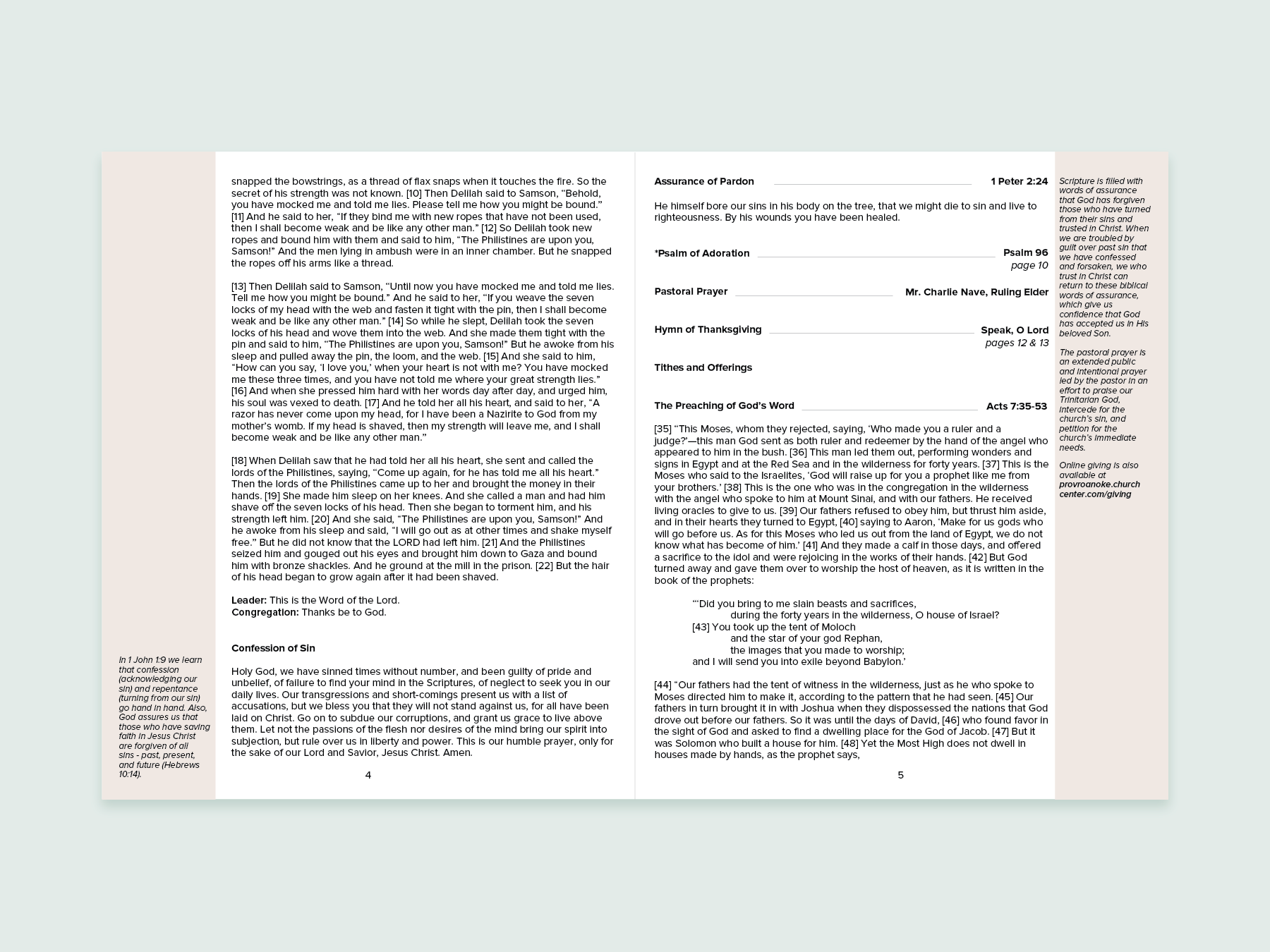
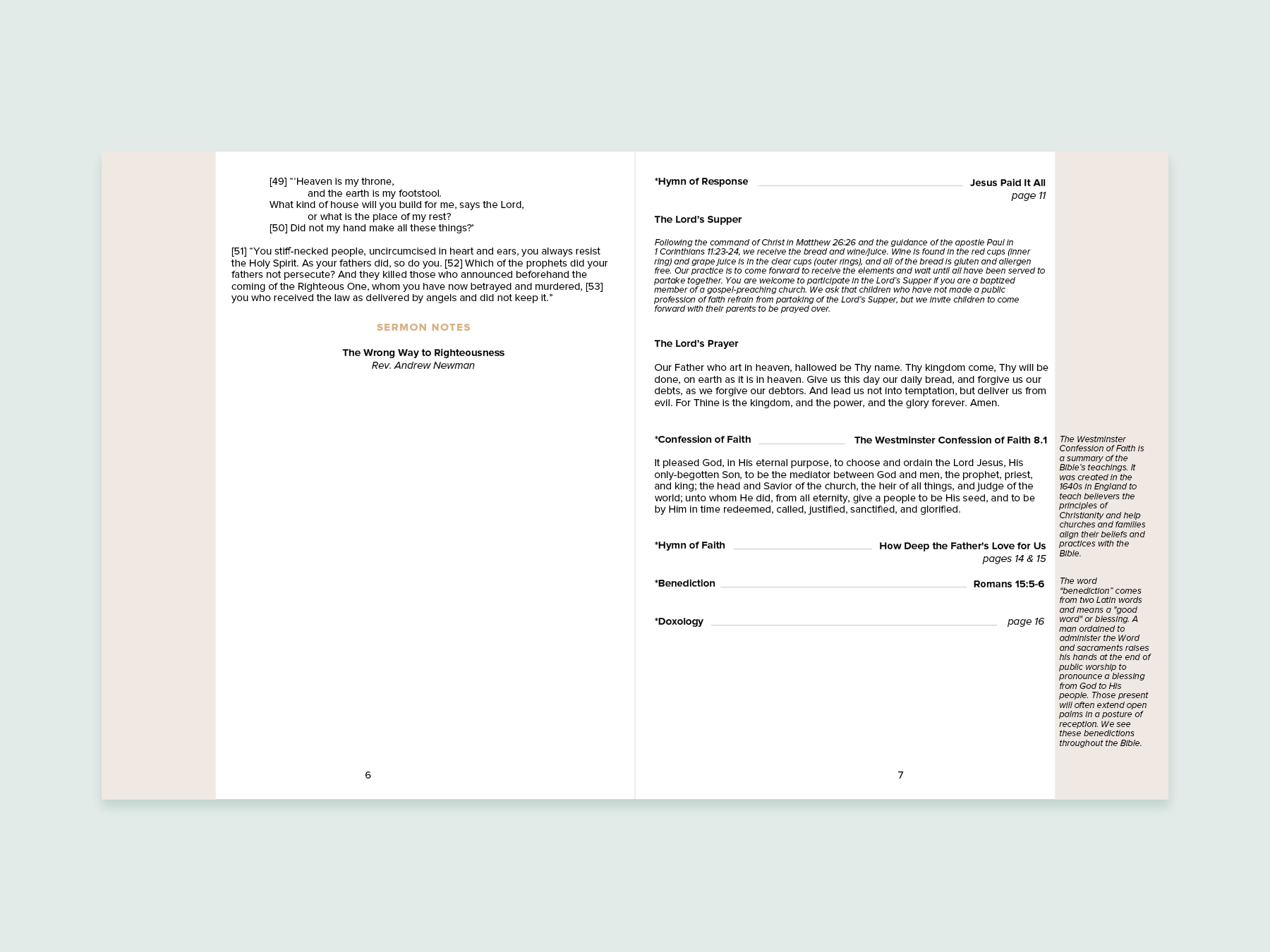
We are told in the previous chapter that he has been accused, of speaking blasphemous words against the two things, His accusers say “he never ceases to speak words against this holy place and the law…” This holy place is short hand for the Temple in Jerusalem and the law refers to the law given by God through Moses…broadly speaking this is the first five books of the Bible (Torah), specifically they are referring to the 10 commandments.
These two things, the Temple and Torah…are the fundamental pillars of the Old Testament Jewish faith. In their minds then, Stephen is attacking the core of their religion. But Stephen is not dismissing these things but instead he is showing them that they have misunderstood them.
Presuming to be “good with God” - they have instead shown themselves against the things of God.
My family growing up - put a high value on traveling. And so we would take trips/vacations about every other summer to foreign countries.
And my parents were also adventurous, so even though they did not speak the language of that country - we would travel through the country side in a rented car and make our way.
I do have one vivid memory though - where in one of those rented vehicles we began to drive down a back road in some small village and I remember my parents commenting on how friendly everyone seemed to be because they kept waiving to us as we passed them by…
It took us a little while, but eventually we came to find out - that it wasn’t that everyone was being friendly to us - but that they were alerting us to the fact that we were going the wrong way. Stephen - is making his address to his accusers, not to defend himself but instead to warn them that they are going the wrong way.
They have gone the wrong way to God and thinking that they are on the right track has only made it worse for them. And so he clarifies for them - two wrongs ways to God which they have embarked.
The first is through the Law.
As I mentioned earlier, Stephen’s speech is addressing false accusations that have been made against him. And the first of those accusations is that Stephen is speaking against Moses.
In other words, they are saying Stephen is speaking against the Law because Moses is the one received and delivered the law to the people the living oracles which are referenced in v.38.
This is a serious and weighty accusation. Because it is in essence saying that Stephen is teaching Lawlessness. And Therefore because of this he teaching and speaking against God. As commentators point out - Stephen in his speech highlights three 40 year periods of Moses’ life his Birth and life in Egypt.
His time in exile in the wilderness. And the period of leading the deliverance of the Israelites from Egypt. And here in our passage - Stephen points out one crucial aspect of that final 40 year period. Which is that Moses, the deliverer sent by God, was ultimately rejected by the people.
Look at v.35 - This Moses, they rejected, saying Who made you a ruler and a judge?
And then again at v.38 - we are told Moses received living oracles to give to us. But Our Fathers refused to obey him… It is important to note here that Stephen includes himself in saying our fathers refused to obey him.
Stephen knows he is as guilty as these men. Stephen is also one of those who has broken the law. The problem with the law - is when we think we can be saved through it. Paul tells us in Galatians - a person is not justified by works of the law. So the problem is when we think and act like a person can be justified by works…
The Sanhedrin and the Jewish elite of that day believed this. They were the ones who had received the law as delivered by angels (v.53) and they spent their lives studying it, discussing it and teaching others how to obey it.
But what they severely misunderstood - was that the law could never be a means by which they could be good enough for God. Thinking themselves to be righteous and thinking themselves to have met the standard is what had blinded them to the fact that they were law-breakers.
Which is Stephen’s final and last word to them. You who received the law…did not keep it. This is what sent them into a tailspin - hearing these things they were enraged, and they ground their teeth at him.
This is like - When you go to the doctor or the dentist - with a damaged or injured nerve and the doctor or the dentist -presses on the nerve - and an immediate sharp and intense burst of pain comes out! Because the problem has been located.
Stephen has ‘Struck a nerve.’ Even though they suppress the truth, they know deep down that what Stephen says is true - they are law-breakers just like their fathers were in the wilderness.
In Stephen’s account of the Israelites in the wilderness with Moses - he brings out the point that - in their rejection of Moses, and the law of God, they turned in their hearts to Egypt.
This is in essence what law-breaking is. It is not just about doing the right thing. Instead - it is about the orientation of the heart. Our heart loyalties, our loves, our fears, our hopes. This is why the law could never be the means of our salvation.
Because our hearts are thoroughly corrupt. Jeremiah tells us: “The heart is deceitful above all things, and desperately sick…”
Is that how you see yourself? Are you freely able to admit how wicked you are? Or are you always on
the defensive. Always making a case for how good you are.
Do you look down on others - thinking to yourself, I would never stoop so low. Law-keeping does not save and can not save - instead as we look to the law - we see ourselves as we really are law-breakers. It is like looking into a mirror.
If we have truly seen ourselves by the mirror of the law we know we are guilty before God and rightly deserving his judgement. The law is the thing that convicts, it can never be that which justifies and makes us righteous. And you’ll notice too - if we look back to Peter’s speech at Pentecost - there are two ways to respond to conviction of sin.
First, here with the Sanhedrin - they respond in anger - and they kill Stephen. What they are doing is silencing him, and in effect they are seeking to silence the truth about who they are before God.
But with Peter at Pentecost in ch.2 - his hearers after being told that they crucified the one whom God made both Lord and Christ. We are told they were then cut to the heart and said “Brothers, what shall we do?” Which is your response? - defense, anger, suppression of the truth or in humility and repentance can you admit the truth about yourself.
Stephen is first resolved to show them the hopelessness of law-keeping as a way of salvation - but then secondly he wants to show them that the temple - is also no place for them to find hope…
Can’t be delivered by the Temple
In essence the Temple (and the tabernacle before that) - was the God-ordained location for the worship of the people of God. It was where the people went to be with God and to worship Him. This is where the Lord promised to “meet” with his people. This is why we are told in Exodus - that Moses called the tabernacle “the tent of Meeting”
And in ch.33 of Exodus - we read also that everyone who sought the Lord would go out to [this] tent of meeting. So as long as the people of God had the physical structure of the tabernacle and then the temple - they believed in their mind - that they had access to God.
But - its important to note - an Israelite could not go willy nilly - to the temple doors at any point that they wanted to in order to meet with God when they really needed something - sacrifice was required and a priest as well who would go to God on behalf of the people.
Therefore the people were always reminded of their unclearness, their unholiness - because of the required sacrifice. But what happened over time - because of the sinful inclinations of the human heart - is that the temple became a way of subjugating God. A way of putting God in man’s debt.
The Temple in the minds of the ruling religious elites - was like a containment center for God - where He had to accept the Israelites and He had to do their bidding.
And the sacrifices then were also inverted - they were seen less as a way of cleansing and more as a way of earning God’s favor. This kind of thinking, mirrored the surrounding nations, in how they acted toward their gods…when they wanted something - rain, fertility, crops, wealth - they sacrificed to appease their god.
The temple (and the tabernacle before that) was God’s gracious provision to His people. It signify His gracious presence and His provision of an atoning sacrifice. But this got flipped on its head - as the people began to presume upon the grace of God.
And so with this backdrop Stephen, having addressed the law, addresses the temple in v.44. and traces the development and movement of the tabernacle and temple from Moses to Joshua to David to Solomon.
But Stephen’s concluding remark on the movement and development of the temple is this: The Most High does not dwell in houses made by hands. Stephen is saying - God can not be contained by us. And He can never be put in our debt.
And so he goes on to quote Isaiah. Heaven is my throne, and the earth is my footstool. What kind of house will you build for me. The Israelites had lost sight of who God was… they had begun to consider that God was just like them. And they had mistakenly believed that God owed them something. And therefore That they deserved the things they received from God.
Many years ago I read about an NFL wide receiver - who in the final minutes or seconds of a game dropped a game winning touchdown. And so he went to twitter following the game and railed against God. Saying something to the effect of - After all I have done for you, this is how you treat me?
We laugh at a story like that, and rightfully so because it is a childish response. But don’t we often think the same way. For example in our envy or jealousy… when we look at another person’s station in life and think: Why do they get to live like that and not I? - Isn’t it implied that God should have dealt with us better or that he is withholding good things from us which we deserve.
Or when we are angry - wether it be with our neighbor, our spouse or our children. Isn’t it ultimately anger against God - that he has treated us unfairly. That we ought to be respected. After all - we have done so much for God. We have sacrificed so much for God.
Whenever we have these responses - whether it be anger, lust, envy, pride…we ought to trace them back to the heart and see what it is, in our hearts, that we are saying about God and subsequently about ourselves it may be that we have begun to treat God like one who serves us and who exists to do our wills rather than the other way around.
It is because of these sinful tendencies - that sacrifice is faulty ground to stand on in our approach to God. We can’t be delivered, we can’t be saved by doing good things for God. Sacrifice ultimately is not what God desires of us. Remember, what David said in psalm 51: “For you will not delight in sacrifices, or I would give it - The sacrifices of God are a broken spirit, a broken and contrite heart, O God, you will not despise.”
Which brings us to the final point.
Which is that having seen the dead ends of the Temple and the Law - we are forced to look upward to Christ as the only way and the right way of salvation.
Christ is the only way of salvation
Stephen up to this point as we have seen - has given a survey of biblical history. And he is speaking to the Sanhedrin - who would have known all these details and facts that Stephen lays out…and so there is no disputing the things he has said so far.
But in v. 51 - He goes from speaking to meddling - when he personally addresses the men before him - using the 2nd person plural pronoun saying -You stiff-necked people…obstinate, stubborn… This is a sharp and blunt turn in His address…
But it raises the question how can Stephen say that they are a stiff-necked people? The first reason he gives - comes in the very next thing he says. He says: they are “uncircumcised in heart and ears, always resisting the Holy Spirit”.
What Stephen is saying - is that in their hypocrisy and pride - they have shut their hearts off to God. They have not allowed God to enter in. Only those who receive Christ will receive the Spirit of Christ and by rejecting Christ - they are resisting and rejecting the Holy Spirit.
This is why they are a stubborn and stiff-necked people - they are unmovable.
God made His dwelling among the people in the tabernacle/temple - in order to change them. God did not give instructions to Moses for a tent - just so that the people would know God is near…even though that is partly true…But God has made his dwelling with us - He has tabernacled among us (as John says of Jesus) - that we might be sanctified.
The tabernacle, the temple - being the house of God, where God dwelt - was always to have the effect of sanctification for the people of God. And this is fulfilled in Jesus Christ - because Christ has come not just to forgive us of our past sins - He has done that…BUT he also has come to make us like Him - to sanctify us.
But this is precisely where the Jewish elites have misunderstood God’s dwelling among them… They had come to believe that God dwelt among them and therefore had to from time to time be appeased with sacrifice or worse they believed He could be put in their debt to do their bidding.
But God has purposed to live within us by His Spirit, to make us as a place, a dwelling fit for Him… So when Paul writes to the Corinthians that their bodies are temples of the Holy Spirit within them…He is making this point…
Christ has come to save us - and to sanctify us. And He is going to accomplish this by the powerful working of His Spirit in us through His Word.
And this is why we can say - only Christ is the way of salvation. Because You are not able to change yourself. You can not white knuckle your way to holiness. Only Christ can make us holy… Christ is to be trusted not only for the forgiveness of sins and our justification - but likewise he is to be trusted as we work out our sanctification - as He makes us more holy…we are empowered to do so by His Spirt in us.
Jesus is the fulfillment then of the temple in this way. But secondly we see here Christ is the fulfillment of the law. Stephen goes on to say to the men before him - they like their fathers have killed the prophets - those who announced the coming of The Righteous One.
Stephen, in a short sentence, makes the point - that the prophets of old spoke of a coming One and were killed for it - and now that this Righteous One has come, he too was killed - betrayed and crucified.
This is what will get you killed - this is what offends - to say that man is not righteous - and that there is one who is - that we must believe in and trust.
Only Christ fulfilled the law - therefore he is the only one who can be called righteous. They believed they were righteous. But because of this they end up rejecting the one who was actually righteous.
And this is the same dynamic at play today. If you think you are good and righteous - you will have no need for Christ. If you are good enough for God - why bother looking to Christ. If within yourself you find the righteousness required - you will never look outside yourself.
But if you are here this morning and know yourself to be a sinner - rightly deserving the judgement of God, rightly deserving His wrath and condemnation.
How sweet it is to know the one who can save you from your sins. Christ alone can save us because he alone has fulfilled the Temple and the Law. He has come to make his dwelling in us - to renovate our lives so that we can be with Him. And He has come as the only Righteous One - fulfilling the requirements of the Law.
That we might have the righteousness required by God and stand before Him justified. Look to Christ, rest in Christ - for He alone is the way of salvation. Let’s pray.
