
What Shall We Do? - Acts 2:37-41
Right after 9/11, a man I knew—he was probably in his late 40s or early 50s—walked straight into an Army recruiting office because he wanted to enlist. He was ready to serve his country. But the recruiter took one look at him and simply said, "You're too old!"
What's always stuck with me was that it was a genuine response to what he witnessed on 9/11. He didn't simply watch the events unfold and walk away unchanged. He felt that he needed to do something—to respond in some meaningful way to what had happened.


Because there are moments in life when we hear something that demands a response. The same is true when we hear the gospel. The gospel is not merely information about Jesus Christ that we are meant to understand and store away. It is a message that confronts us with who Christ is, what He has done, and who we are as sinners before a holy God. And because the gospel confronts us in this way, it demands a response.
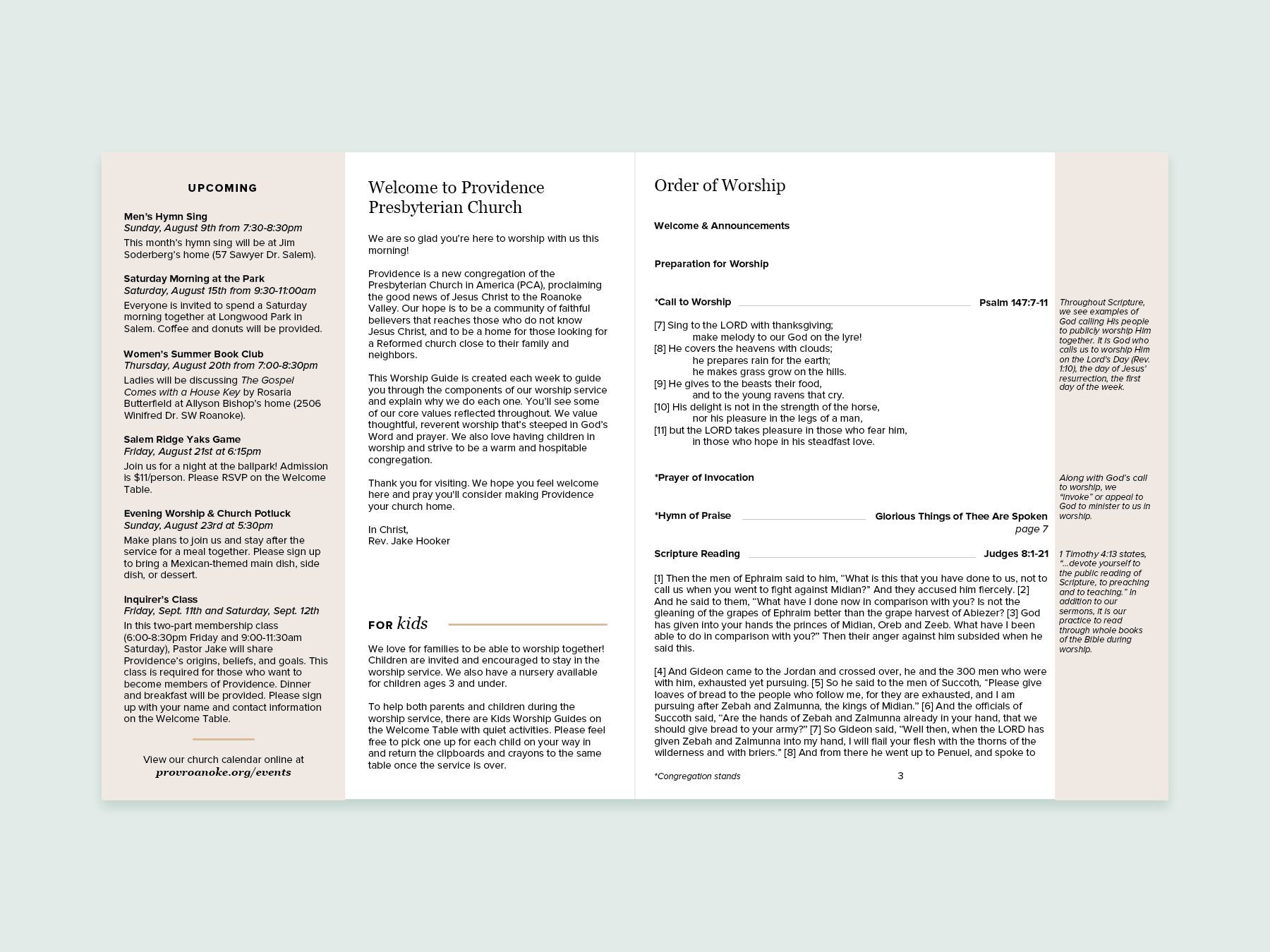
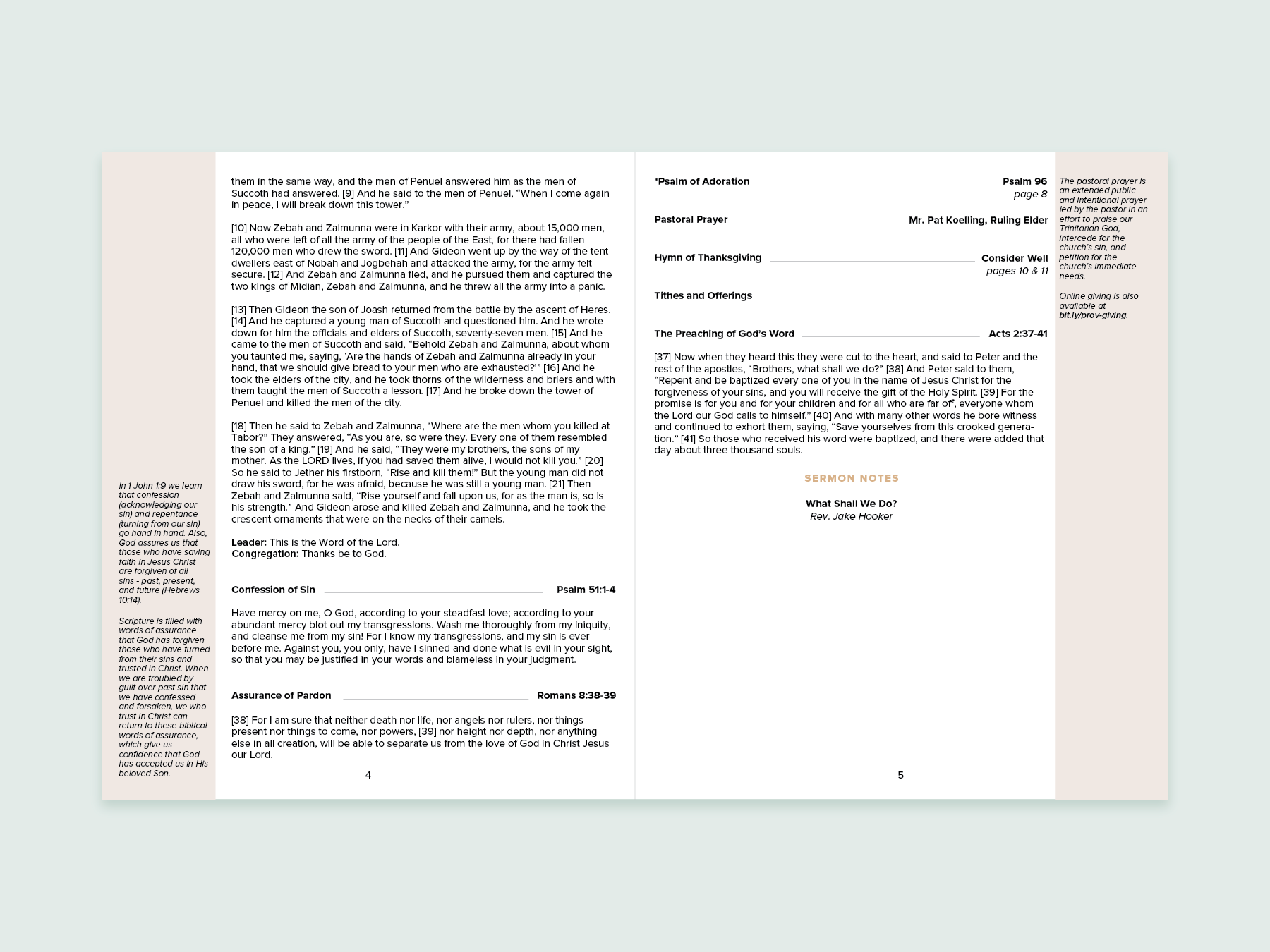
We see that response unfold very clearly in Acts 2. Peter has preached Christ crucified, risen, and exalted as Lord. And when the crowd hears his message, they don't simply walk away with a few new theological facts. They are "cut to the heart," and they ask, "Brothers, what shall we do?"
Luke shows us what a proper response to the gospel looks like: first, feel the weight of your sin (v. 37), second, turn from sin to Christ (vv. 38-40), and lastly, identify with God’s people (v. 41).
Feel the Weight of Sin (v. 37)
But one of the important moments from Peter’s sermon came when he told his audience that they were guilty of “crucifying and killing” Jesus. He lays the death of Jesus Christ at their feet and doesn’t allow them to distance themselves from what happened.
They can’t act as though they were innocent bystanders at a tragic event. They had blood on their hands. The very Messiah God had sent to save them, and they had put to death. Peter holds them responsible for the death of Jesus.
Have you ever tried to hold someone responsible for something they did? How did that go for you? Because, more often than not, when you try to hold someone accountable, they deny responsibility.
Even when there’s no one else to blame, we still blame others. “It was the way I was raised.” “It’s my genetic predisposition.” “It’s not really my fault!” You would expect the crowd to deny responsibility but instead we’re told “they were cut to the heart.” They had felt the weight of their sin.
They don't defend themselves. They don't make excuses. They don't blame the Romans. They don't say, “Well, we weren't personally responsible.” They are confronted with the reality that their sin stands opposed to the Lord of glory.
It’s when they feel the weight of their sin they ask, “Brothers, what shall we do?”
We live in a culture that is very good at minimizing sin. In fact, we rarely, if ever, actually call it sin. “Sin” can sound mean and harsh. I’ve noticed that sin is consistently recast into therapeutic language: it’s not sin, rather, you’ve “developed some unhealthy practices in your life.” So we call sin mistakes, weakness, shortcomings, bad decisions, or personality flaws.
But Scripture calls it sin and sin is rebellion against God.
And understanding the significance of your sin is absolutely critical to fully appreciate the gospel. Sometimes the danger for us is that the gospel has become so familiar. We know the story. We know that Jesus died on the cross for sin.
But we forget, as Stuart Townend’s famous hymn "How Deep the Father's Love for Us,” reminds us, “it was my sin that held him there.” The moment you begin to distance yourself or deny responsibility for your sin is the very moment the gospel begins to lose its beauty and significance.
I’ve shared this story before but it’s worth sharing again. In the early 1900s a writer from The Times of London reached out to several prominent authors to ask them a very simple question: “What’s wrong with the world today?” The well-known Christian author G.K. Chesterton is said to have responded with a one-sentence essay:
“Dear Sir,
I am.
Yours,
G.K. Chesterton”
Sometimes we need to be brought back to the beginning. We need to be reminded of the simple truth: I’m a sinner. I’m guilty and I cannot save myself — so what shall I do?
Turn from Sin to Christ (vv. 38–40)
Peter provides them with an answer in verses 38-39.
“Repent and be baptized every one of you in the name of Jesus Christ for the forgiveness of your sins, and you will receive the gift of the Holy Spirit. 39 For the promise is for you and for your children and for all who are far off, everyone whom the Lord our God calls to himself.”
There is so much packed into these two little verses. Really, a whole sermon could easily be preached on what Peter is saying right here. But when they ask, “what shall we do?” Peter doesn’t tell them to try harder, or become better. The first thing he says is “repent.”
But what does that even mean? What is repentance? The Westminster Shorter Catechism defines repentance as, “a saving grace, whereby a sinner, out of a true sense of his sin, and apprehension of the mercy of God in Christ, does, with grief and hatred of his sin, turn from it unto God, with full purpose of, and endeavor after, new obedience.”
The key word is “turn.” Repentance means you’re doing a 180. You’re not going to keep doing the things that you’ve been doing. You see and recognize your sin and hate it and turn away from it in order to pursue obedience to God.
Repentance is very different from conviction over sin. We’ve all done things that we regret, but that’s not repentance. The Apostle Paul helps clarify the distinction between repentance and mere conviction in 2 Corinthians 7 when he says, "For godly grief produces a repentance that leads to salvation without regret, whereas worldly grief produces death."
Worldly sorrow or conviction says, "I wish this hadn't happened to me." But Godly sorrow that leads to repentance says, "I have sinned against God, and I must be restored to Him.”
True repentance doesn't merely regret the consequences of sin—it hates the sin itself because its rebellion against God.
But notice how Peter connects repentance with all of these things together. He says, "Repent and be baptized every one of you in the name of Jesus Christ for the forgiveness of your sins, and you will receive the gift of the Holy Spirit." Repentance, baptism, the forgiveness of sins, and the gift of the Holy Spirit are all closely connected.
Peter isn't describing four unrelated theological ideas. He's describing the ordinary way God saves sinners and brings them into the New Covenant. Those who turn to Christ in repentance and faith receive what they could never earn for themselves: the forgiveness of their sins and the indwelling presence of the Holy Spirit. And baptism is the covenant sign publicly marking them as belonging to Christ and to His visible church.
But notice how Peter grounds repentance, baptism, the forgiveness of sins, and the gift of the Holy Spirit in a promise. Verse 39 says: "For the promise is for you and for your children and for all who are far off, everyone whom the Lord our God calls to himself."
That raises an important question: What promise is Peter talking about?
It’s important to recognize that Peter isn’t introducing a new promise. In fact, the promise that Peter refers to here is the same promise he’s been proclaiming throughout his sermon—the promise of forgiveness through Christ, the gift of the Holy Spirit, and salvation for everyone who calls upon the name of the Lord.
But notice that he doesn’t say that promise is restricted for adults only. No, he says that promise is “...for you and for your children and for all who are far off, everyone whom the Lord our God calls to himself.”
But again, Peter isn’t saying anything new. Peter’s words would have sounded remarkably familiar to a first-century Jewish audience – the primary people he’s preaching to. Throughout the Old Testament, God repeatedly established His covenant not only with believers but also with their children. From Abraham onward, the covenant promise was always expressed in family terms: "I will be God to you and to your offspring after you" (Genesis 17:7).
Peter doesn't announce that this covenant pattern has ended. Instead, he reaffirms it. Under the New Covenant, the promise is still addressed to believers and to their children, while also expanding beyond Israel to include “all who are far off”—the Gentiles whom God would graciously call to Himself. And so, the covenant promises of God did not become more narrow; it has become gloriously wider.
This is one of the reasons Presbyterians baptize the infant children of believers. We do not believe baptism saves a child any more than circumcision automatically saved an Israelite. Salvation has always been by grace alone through faith alone.
Rather, we believe that baptism serves as the New Covenant sign of entrance into the covenant community, just as circumcision served as the Old Covenant sign of entrance into the covenant community. Baptism marks them as members of the visible covenant community and reminds us all that they must personally embrace Christ by faith.
And that final phrase keeps us from misunderstanding: "everyone whom the Lord our God calls to himself." Covenant membership and the covenant sign are precious gifts, but they are never substitutes for the saving work of God. Every person—whether baptized as an infant or as an adult—must put their faith in Jesus Christ. The covenant sign points us to the reality that Christ alone saves.
But I don't want us to lose sight of Peter's main point. Remember the question he's answering: "Brothers, what shall we do?" They are asking how they can be saved. Peter's answer isn't complicated. He calls them to turn to Christ. Everything else he says—repentance, baptism, the forgiveness of sins, and the gift of the Holy Spirit—flows from that central call.
Christianity has never been about merely intellectual agreement with doctrine. It demands a personal response. It demands that you turn from your sin and place your trust in Christ.
There is a difference between knowing the facts about Jesus and actually belonging to Jesus. These people already knew many of the facts. They had heard Jesus teach. They had witnessed His miracles. They knew He had been crucified. Now Peter has shown them from the Scriptures that Jesus is the promised Messiah and risen Lord. But simply possessing that information was not enough. They had to respond to it. They had to repent. They had to believe.
The same is true today. It is possible to know the Bible, affirm sound theology, attend church faithfully, and even agree with the gospel intellectually without ever trusting in Christ. Saving faith is more than knowing the truth; it is receiving Christ, resting upon Him alone for salvation, and submitting to Him as Lord.
So Peter's words are not only for that crowd on the Day of Pentecost. They are God's call to every one of us. The question is not merely, "Do I believe these doctrines are true?" The question is, "Have I turned from my sin and entrusted myself to Jesus Christ?" That is Peter's appeal, and it remains God's appeal today.
Identify with God’s People (v. 40-41)
Luke's quotation from Peter's sermon ends at verse 39, but Luke explicitly tells us that's not where Peter's sermon ended. In fact, he continued to exhort them and said something rather striking: "Save yourselves from this crooked generation."
Peter is not telling them to earn their salvation. That would contradict everything he has just preached. He has already proclaimed that forgiveness of sins comes through Jesus Christ alone. He has called them to repent and believe in the crucified and risen Savior.
So when Peter says, "Save yourselves," he is calling the crowd to embrace the salvation God freely offers in Christ by repenting and believing. The imperative—the call to action—is a summons to respond to the gospel. God has provided salvation in His Son; therefore, they must not remain in unbelief but flee to Christ while the offer of mercy is extended to them.
But notice Peter doesn't stop there. He adds, "from this crooked generation." That phrase reminds us that conversion is not merely turning to Christ; it is also turning away from a sinful way of life. The people standing before Peter had belonged to the very generation that had rejected and crucified the Messiah. To follow Jesus would require a decisive break with that unbelieving world and a public identification with Christ and His people.
The same principle applies today. One of the clearest evidences that someone has come to saving faith is that his or her life begins to look different. Christians are certainly not perfect, but they are different. Their loves change. Their priorities change. Their speech changes. Their relationships change. They begin to hate the sins they once excused and pursue the holiness they once ignored. The Holy Spirit produces new desires and a new direction.
That does not mean Christians withdraw entirely from the world. We continue to work alongside unbelievers, love our neighbors, serve our communities, and proclaim the gospel. But we no longer adopt the world's values, celebrate what God condemns, or shape our lives according to its priorities.
If you claim to follow Jesus Christ, your life should bear the marks of that allegiance. You should not participate in the debauchery and sinfulness of the world as though nothing has changed. Rather, your life should increasingly reflect the character of the Savior who redeemed you. Peter's words remind us that saving faith is never merely a private conviction; it produces a transformed life that visibly identifies with Christ rather than with "this crooked generation."
And it's from there we see the response: three thousand souls were added that day. Many of you are probably familiar with this particular passage and know that three thousand people were saved that day, but notice the language Luke uses: they were added. Of course, they were added to the kingdom of heaven. That's certainly true. But it seems that Luke has something more specific in mind here: three thousand people were added not just to the kingdom of heaven that day, but to the church.
The NIV translates Acts 2:41: “Those who accepted his message were baptized, and about three thousand were added to their number that day.” I don’t quote from the New Living Translation but it takes Acts 2:41 to its logical conclusion: It says that 3,000 “were added to the church.”
They heard the gospel preached, put their faith in Christ, were baptized, and joined themselves to the visible body. But the key takeaway is that people's response to Peter's sermon wasn't merely a private, internal response. It's not as though this crowd of people publicly identified with Christ but refused to attach themselves to God’s people.
They didn't say, "I believe in Jesus, but I don't really need the church." They believed in Christ, they were baptized into His name, and they were joined to His visible body. Their conversion brought them into a new relationship not only with Christ but also with other Christians.
And I think that's important for us to see because we live in a culture that often treats Christianity as a private matter. You can believe whatever you want, people say, as long as it doesn't affect anyone else. And even among Christians, there can be a tendency to think of faith as something that exists primarily between "me and Jesus." But that's not the picture Luke gives us here.
The gospel creates a people. Christ doesn't simply save isolated individuals; He gathers them into His church. To be united to Christ is to be united to His body. That's why baptism matters, and that's why church membership matters. These three thousand people didn't merely make a personal decision and then go home. They were incorporated into a community of believers who would worship together, learn together, pray together, and live together as the people of God.
And that means that becoming a Christian isn't simply about adding Jesus to your existing life. Christ gives you a new identity and a new family. You leave behind the old allegiance to "this crooked generation" and become part of a new people—the church of Jesus Christ.
Peter's answer to the crowd’s question: “what shall we do?” is rather simple: Recognize the weight of your sin. Repent and believe in Christ. Then identify yourself with Christ and His church.
Don't hear the gospel and remain unmoved. Don't recognize your sin and refuse to turn from it. Don't claim to trust Christ while remaining unwilling to identify with His people. The gospel demands a response.
It’s sort of like the guy that I know. You just heard about 9/11. What are you going to do?
That’s probably the most important takeaway from this passage. Peter isn't simply giving us information about what happened on the Day of Pentecost. He's proclaiming the same gospel to us today. The question that came from the lips of that crowd still confronts every one of us: "What shall we do?"
If you are not a Christian, Peter's answer is clear: repent and believe in Jesus Christ. You don't need to clean yourself up first. You don't need to earn God's forgiveness. You don't need to make yourself worthy of Christ. You need to turn from your sin and flee to the Savior who has already done everything necessary to save sinners.
And if you are a Christian, Peter's words still speak to you. You have been called out of the world and brought into Christ's church. So live like it. Don't return to the ways from which Christ has saved you. Don't make peace with the sins you've been called to put to death. Don't treat your relationship with Christ as something private and disconnected from His people. You belong to Christ, and therefore you belong to His people.
And the good news is that the response Peter calls us to is not a work by which we earn God's favor. It is the response of faith to a salvation that God has already accomplished through the death and resurrection of Jesus Christ.
Christ has died for sinners. Christ has risen from the grave. Christ has been exalted as Lord. And the promise of forgiveness is offered to all whom the Lord calls to Himself.
So, what shall we do? Repent and believe. Trust in Christ. And belong to His people. Amen. Let’s pray together.
