
Half-Hearted Worship Before a Holy God - Malachi 1:6-10
If you could design the perfect worship service where every element is carefully planned, every prayer thoughtful, every song theologically rich—would that guarantee that God is pleased? We tend to think it would.
I’m sure there are some people here that can remember the “worship wars” of the late 90s. That’s where worship became synonymous with music style. No one could agree on whether music should be traditional or contemporary. It caused a lot of division, and even split many churches.

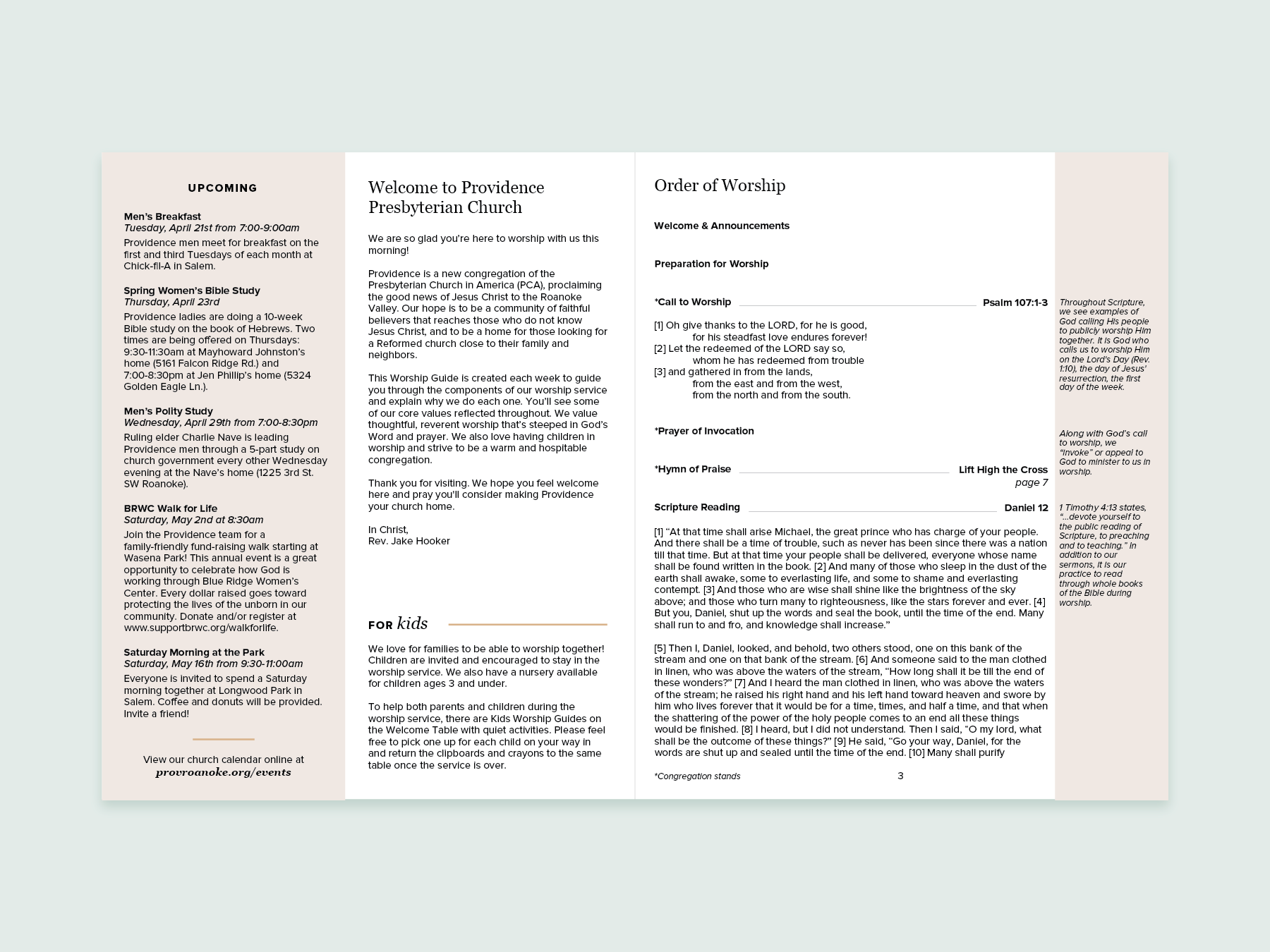
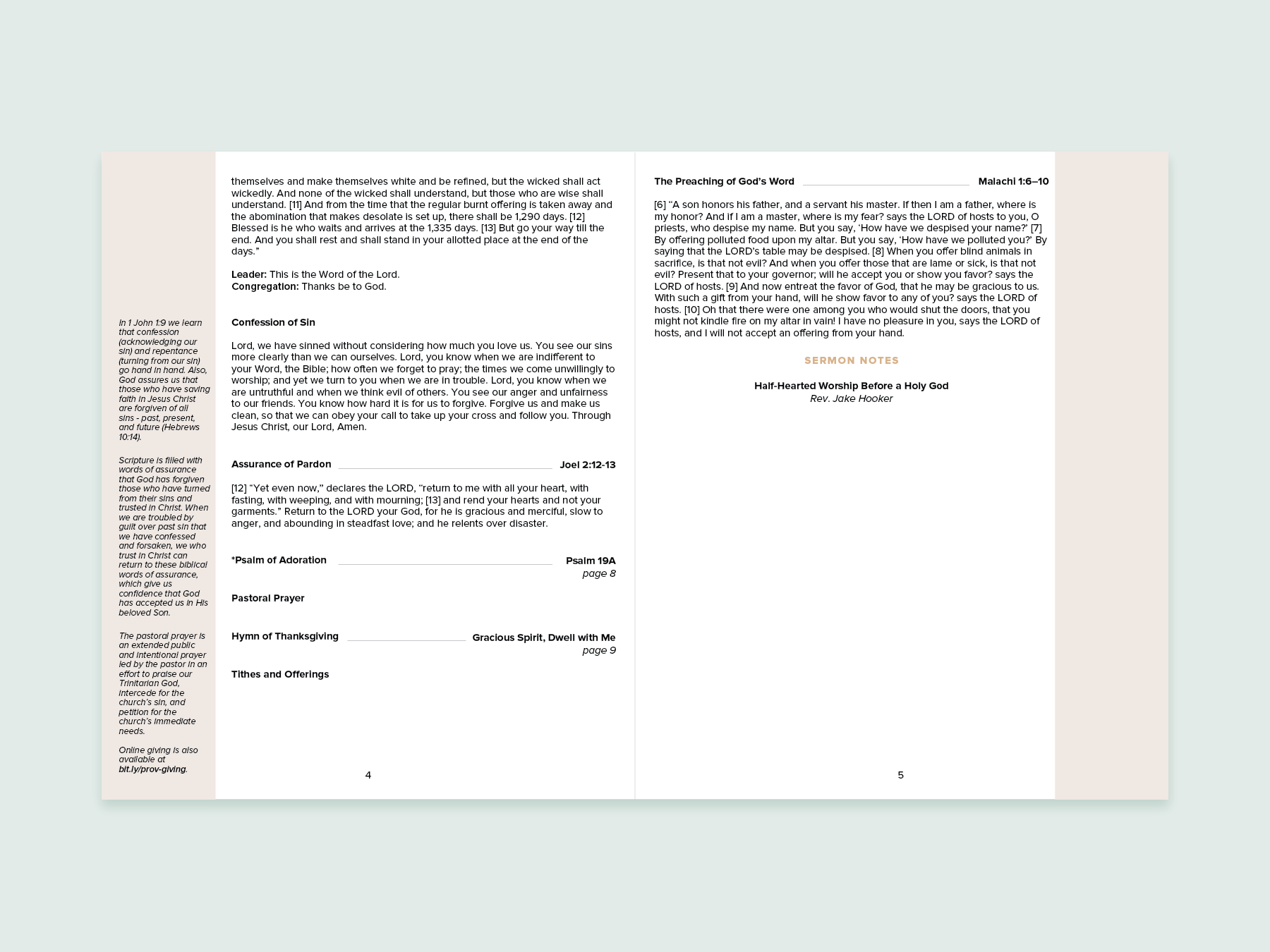
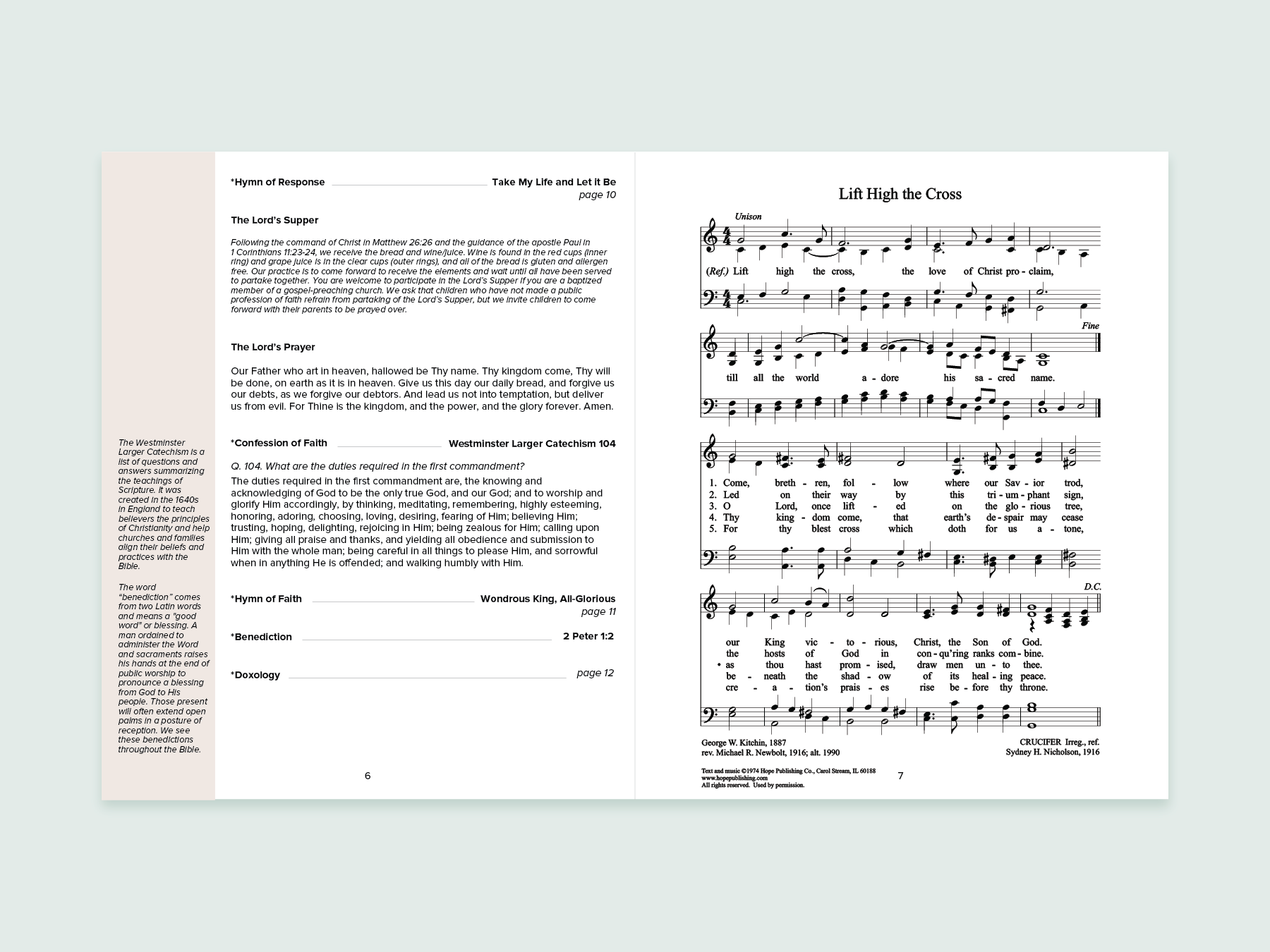
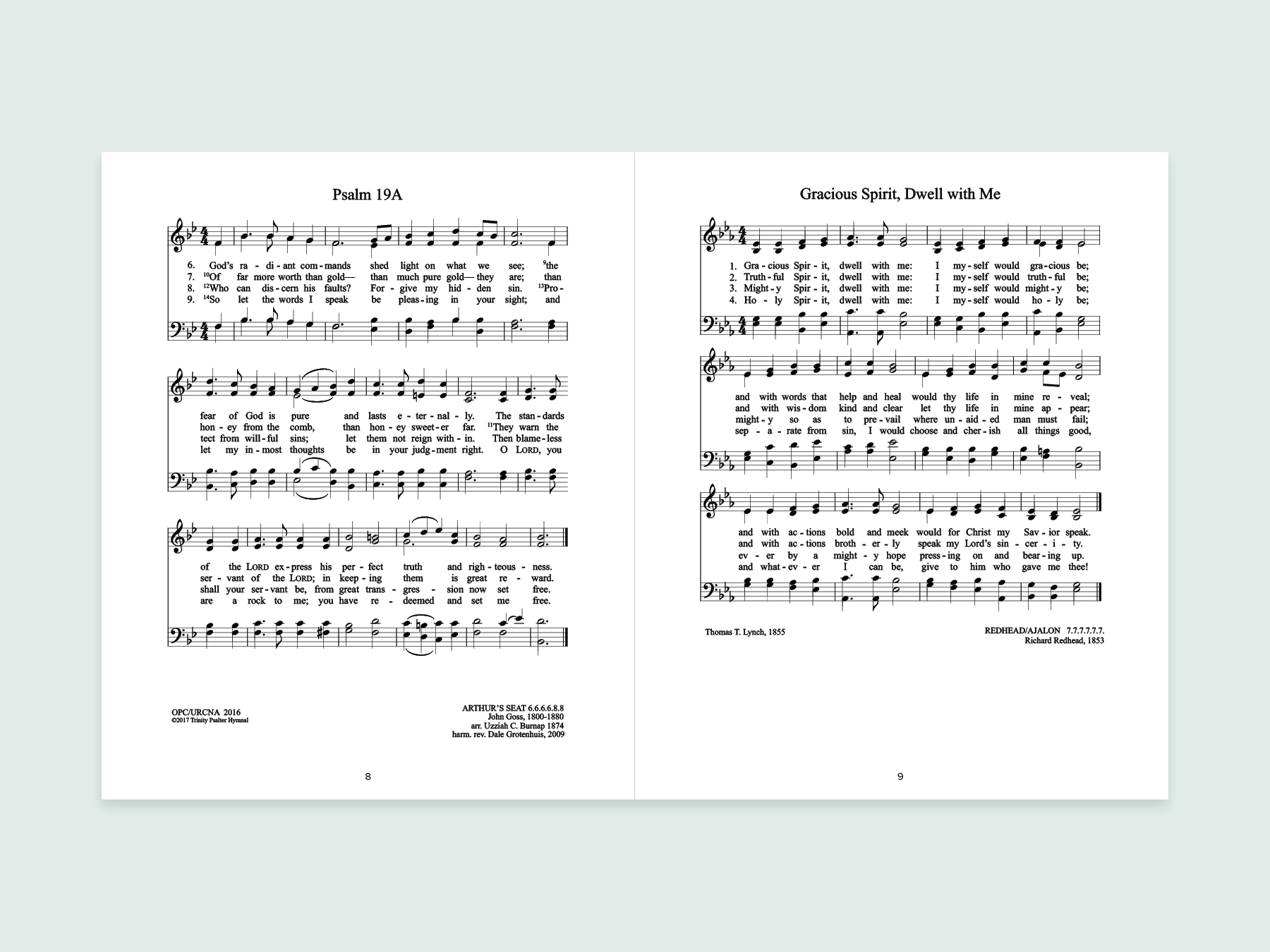
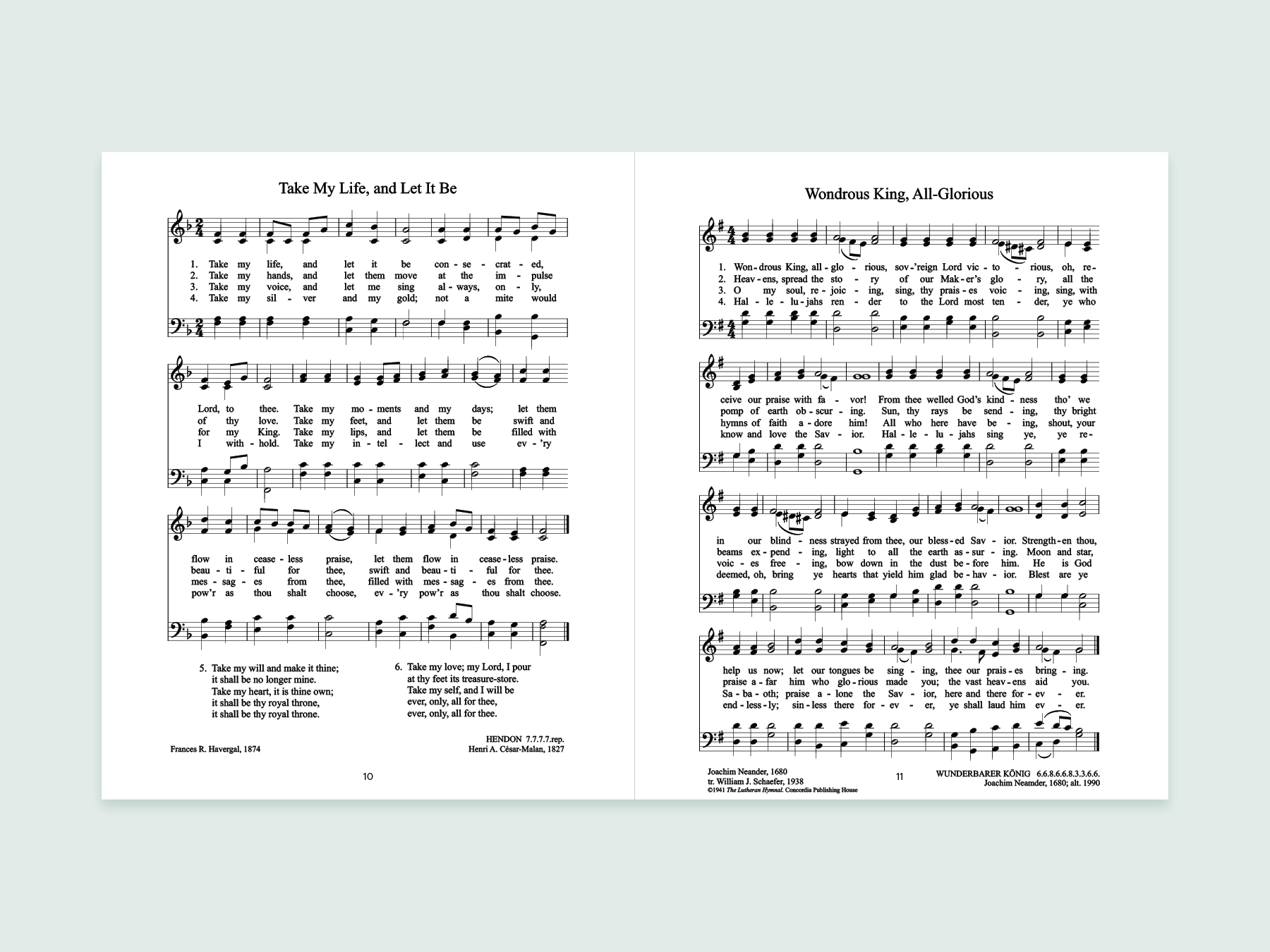
But here’s what people who are highly opinionated about worship, and those who were on the front lines of the ‘worship wars’ tend to overlook: even if you can craft a worship service exactly the way you want it, the people will still show up and offer empty worship. Frankly style has nothing to do with it because, everything can be perfect on the surface but your heart can remain cold, distant, and even disengaged from the Lord.
Now obviously, I believe that the Lord has given us directions for how to worship him in His Word, which is why our service is structured the way that it is, but my overarching point remains true: you can have the “purest” worship service, but if your heart is cold towards the Lord, it really doesn’t matter does it?
God deserves to be praised, honored, and glorified, but more often than not you and I give Him less than our best.
Which was happening in Malachi’s day. The people were active in worship, but they were merely going through the motions because their hearts were far from the Lord.
And that’s exactly what the Lord is chastising Israel for—they’re going to the Temple, they’re participating in Old Testament worship, but they weren’t giving the Lord their best because their hearts were far from Him.
So as we go through this passage I want us to consider a few things: First, we must remember that the Lord deserves to be honored (v. 6), second, we must recognize that the Lord rejects flippant, indifferent, careless, worship (vv. 7-8), and lastly, we must acknowledge that God prefers no worship to dishonoring worship (vv. 9-10).
God Deserves Honor (v. 6)
If you remember where the passage left off last week, the Lord reminded the people of Israel of his love. And He proved His love for them by citing something a little unexpected: He pointed to that famous statement “Jacob, I loved, but Esau I hated,” as proof of His love. The reason the Lord pointed to that statement was His way of reminding the people of Israel that He had set His love on them and there was nothing they could do to remove it. He’s always loved them.
And there’s really only one appropriate response to God’s love: worship. That is, giving the Lord the honor and reverence that He alone deserves.
Which is exactly where we pick up in verse 6: “A son honors his father, and a servant his master. If then I am a father, where is my honor? And if I am a master, where is my fear?”
The Lord appeals to the fifth commandment, “honor your father and mother,” which we looked at a few weeks ago. And if you remember, the fifth commandment is certainly about honoring your parents, but it speaks to something far broader than simply respecting your parents. The parent/child relationship is the basic building block for the natural hierarchical structure that is baked into our society. Because every one of us is, on some level, under authority. As the Westminster Larger Catechism puts it, we have superiors. That’s obviously true for the family. It’s also true in the workplace. No one is completely autonomous.
But the reason the Lord mentions this is because honoring your earthly father and mother is the foundation for honoring God. If you refuse to show your earthly father or mother honor, how will you show your Heavenly Father authority? If you’re incapable of showing your boss at work any level of honor, how can you possibly show God honor?
But there is an accusation at the heart of verse 6: “A son honors his father, and a servant his master. If then I am a father, where is my honor? And if I am a master, where is my fear?”—He’s making an accusation against the people of Israel.
And that accusation is, they give the Lord less honor than the people in authority over them. They do not give God the same level of honor and respect that they give their earthly authorities. Which is a tremendous problem, right? To put it simply, they fear man more than God.
When you fear man more than God, that means, in your mind, that God has become small. God is insignificant. God is unimportant. And when that happens it inevitably will impact your worship.
Worship then quickly becomes meaningless ritual. There’s no significance. It’s something that you simply need to get through. The mentality can be, “once I get through this, then I can get on with the really important parts of my day.”
There’s no honor! There’s no reverence!
And where there is no honor, there will be no awe. Where there is no reverence, there will be no attentiveness. You begin to treat lightly what should carry the greatest weight. The living God is speaking, and yet His voice is background noise. The King is being praised, and yet your heart is unmoved.
But the issue isn’t that worship has lost its meaning—the issue is that God has lost His weight in your mind. Because when God is seen rightly—holy, glorious, and worthy—everything changes. Your attention sharpens. Your heart engages. Worship is no longer something to get through, but something to lean into. It becomes a privilege, not a burden—a moment where you gladly give God the honor and reverence that is due His name.
Because when God is truly seen as great, worship is about giving Him the honor that He alone deserves. And worship becomes the most important moment of your week, where you are reminded of who He is and who you are before Him.
God Rejects Careless and Improper Worship (vv. 7–8)
But Israel had lost all of this. God had become small to them which meant that their worship had become careless and what was inappropriate in worship had become common.
Last week, I mentioned that the book of Malachi was a series of disputation speeches. And we see that again here. Notice how the Lord accused the priests of “despising his name.” And then the priests’ dispute the accusation with, “How have we despised your name?”
Look at the Lord’s answer in verses 7–8: “By offering polluted food upon my altar. But you say, ‘How have we polluted you?’ By saying that the Lord's table may be despised. When you offer blind animals in sacrifice, is that not evil? And when you offer those that are lame or sick, is that not evil? Present that to your governor; will he accept you or show you favor?”
The priests, the men responsible for leading Israel in worship, were allowing defective, substandard sacrifices to be offered on the altar to the Lord. In effect, the burnt offering was bringing food to the Lord.
And you don’t bring kitchen scraps or a cup of noodles, to feed the King! And yet, that’s exactly what was going on in Israel. The priests were allowing blind, lame, or sick animals to be sacrificed, which the Lord calls evil.
He calls it evil because it’s a direct violation of His explicit commands. Leviticus 1 was crystal clear: “a burnt offering from the flock, whether sheep or goats, shall be a male without blemish…” They weren’t supposed to offer defective sheep or goats, they were supposed to sacrifice to the Lord their very best.
But instead, they were holding the best for themselves and giving God what was left over. Which totally reveals their priorities! They believed keeping what was valuable for themselves was more important than honoring God. Worshiping the living God was secondary to taking care of themselves. Their worship was half-hearted. They were flippantly going through the motions. That’s why God called it evil.
Remember what David said in Psalm 51? “The sacrifices of God are a broken spirit; a broken and contrite heart…”
Worship is where we focus on the Lord. It’s where, for a brief moment, we reflect on something so much bigger than you or me or that situation in your life that seems all consuming. In those moments we need to be reminded of the gospel! That forgiveness of sins that is freely offered to all who put their trust in Christ. That wonderful message should stir in your very soul. It should move you to worship.
And of course, that’s undeniably true. But something that I’ve noticed from time to time in evangelicalism is we pit the heart of worship against the method of worship. God doesn’t care about how we worship is irrelevant as long as the heart is there. In other words, our sincerity is what’s most important. And no doubt, the sincerity of our hearts in worship is absolutely critical. God cares deeply about that.
But God has never divorced sincerity of worship from worship practice. He doesn’t say, “Do whatever you want as long as you feel sincere,” nor does He accept mere outward precision with no inward devotion. He requires worship that is both rightly ordered and rightly motivated. The form of worship should be shaped by His Word, and the heart of worship should be shaped by His grace.
I’m thoroughly convinced that Christians should get their directions for worship exclusively from God’s Word. That’s how Old Testament worship was conducted. They—and we—are to worship how God has instructed us to. We’re called to worship Him in spirit and in truth, which means both our hearts and our practices matter.
And so in light of that, we read the Bible, pray the Bible, sing the Bible, and preach the Bible. Because God’s Word is our only rule for faith and practice.
But I don’t want any of us to miss the point that I’m trying to make: a laxity in worship practice, and indifference towards God’s commands is a reflection of your heart.
Wasn’t that the problem in Israel? They were offering sacrifices that were blind, lame and sick, when they were supposed to give God their best.
We see something similar in the New Testament. The people had made Temple worship as simple, easy, and convenient as possible. You don’t have to bring anything—you can buy it right here. Worship had become a den of robbers rather than a house of prayer, and Jesus was zealous for His Father’s worship. That’s why He cleansed the temple.
We have a unique way of sinfully twisting the focus of worship to something other than God. It becomes about the music style, the energy, the sense of community, or even good things like serving others. And before long, worship subtly shifts away from God Himself.
But the issue isn’t that those things are inherently bad—it’s that they become ultimate. When anything takes center stage over God, worship is distorted. Worship is meant to be directed towards the Lord—His glory, His holiness, His worth. When that focus is lost, even good intentions can lead us away from true worship.
Worship has a way of revealing what we value most, and in Israel, the people were most concerned with themselves: doing what was easy, costless, and convenient. And they fully understood what they were doing. Ignorance wasn’t the problem. The problem was indifference. They didn’t care. They were honoring God with their lips but their hearts were far from Him.
Does any of that describe you? Has your worship grown cold and stale? Are you simply going through the motions—feeling spiritually apathetic or indifferent?
If that is you, what’s going on in your heart? Perhaps you need to repent of your spiritual apathy. Ask the Lord of glory to give you a heart that truly sees His worth—a heart that is stirred with reverence, gratitude, and love. Ask Him to awaken your affections so that your worship is no longer an empty routine, but sincere and joyful.
Ask the Lord, as David did in Psalm 51 to “restore the joy of your salvation.”
God Would Rather No Worship Than Dishonoring Worship (vv. 9-10)
But here’s some wonderful news: if you truly repent the Lord will meet you where you are with forgiveness and grace. Which is exactly what the Lord says to the people of Israel in verse 9: “And now entreat the favor of God, that he may be gracious to us. With such a gift from your hand, will he show favor to any of you? says the Lord of hosts.”
Even in the midst of their failure, the invitation is still there—seek the Lord, ask for His grace, return to Him.
He’s willing to forgive. And more than that, He is eager to show mercy to those who come to Him in humility. God does not call His people to repentance only to turn them away—He calls them so that He might receive them. Through Christ, we have confidence that when we come seeking grace, we will not be rejected. Instead, we will find a God who is ready to pardon, restore, and renew us completely.
Jesus says, “Come to me all you who are weary and heavy laden, and I will give you rest.” He delights to restore what has grown cold and to renew what has grown dull. So don’t settle for going through the motions—draw near to Him, and ask Him to rekindle in you a desire to honor Him with your whole life.
But there’s something very important we must know. Look at what the Lord says in verse 10: “Oh that there were one among you who would shut the doors, that you might not kindle fire on my altar in vain! I have no pleasure in you, says the Lord of hosts, and I will not accept an offering from your hand.”
“Don’t kindle a fire on my altar!” In other words, don’t even light the fire to bring a burnt offering, because your sacrifices are broken and worthless. “I have no pleasure in you, says the Lord of hosts, and I will not accept an offering from your hand.”
What exactly is the Lord getting at here? He’s saying that dishonoring worship—worship that is heartless, flippant, and careless—is worse than not worshiping at all.
Worship is not to be treated lightly. We’re called to worship with reverence and awe because of who God is—holy, sovereign, and infinitely worthy. When we gather for worship, we are not simply attending an event or participating in a routine; we are coming before the living God. That mentality should be pressed into every aspect of our worship.
And yet, at the same time, reverence does not mean lifeless formality, and awe does not mean distance—after all we gather to worship the Lord who came down and took on human flesh. But we don’t approach Him casually or flippantly, but with humility, gratitude, and attentiveness. True worship is both joyful and serious, marked by love and respect. When we see God rightly, worship becomes more than a habit—it becomes a wholehearted response to His greatness.
True worship is meant to fix our eyes on Christ—on who He is and what He has done. It’s not about being impressed, but about being humbled. Not about being entertained, but about being transformed. When Jesus is at the center, worship reorients us. It draws our attention away from ourselves and lifts it to the One who is truly worthy, reminding us that He—not us—is the focus of it all.
That’s why it’s so dangerous for worship to become casual or routine. Once it becomes this weekly hour-long ritual suddenly it’s no longer about honoring God. It’s just something that we do. And when that’s our approach it becomes offensive to God. The Lord is not interested in empty rituals or outward performances that lack genuine devotion. He would rather the doors of the temple be shut than His name be continually dishonored by people who go through the motions without any real reverence. That’s how serious this is.
Jesus said something very similar in the Book of Revelation, didn’t He? “I know your works: you are neither cold nor hot… because you are lukewarm… I will spit you out of my mouth.”
And if we’re honest, who here hasn’t felt spiritually lukewarm at some point? Because it is entirely possible to show up week after week, to sing the songs, to say the prayers, to listen to the sermon—and yet for our hearts to be disengaged. To be present physically, but distant spiritually. And if that happens it doesn’t take long for worship to be nothing more than convenient and comfortable. But God is not pleased with comfortable, convenient worship that costs us nothing.
Instead, He calls us to something deeper—to worship Him in spirit and in truth, with hearts that are fully engaged and lives that are wholly surrendered. Worship that flows not out of obligation, but out of a true recognition of who He is. Because when we truly see God for who He is—holy, sovereign, and worthy—we won’t treat worship lightly. We’ll approach Him with reverence, humility, and awe, giving Him the honor that is due His name.
Here’s what the worship wars and all the other conflicts about worship seem to easily forget… worship is not about you. It’s not about me either. It’s about the Lord.
And the reality is, it’s easy for us to forget that fundamental point. When our primary concern is worship is an experience, or convenience, or getting all your preferences met, we’ve completely missed the point! We’ve made worship man-centered rather than God-centered, which is exactly what was going on in Israel!
They had the temple. They were able to worship God under Persian rule, and yet, they wanted to keep the best for themselves.
Which is why it’s critical for you and I to remember why we worship: Because the Lord is worthy. He deserves it and extends to all of us peace we could never earn through Jesus Christ. Through Christ, our sins are forgiven, our guilt is removed, and we are brought near to God. That means when we gather for worship, we are not coming empty-handed or uncertain—we are coming as those who have been redeemed.
And that changes everything. Worship is no longer about getting something out of it for ourselves, but about responding to what we have already received in Christ. We come not to be entertained, but to give thanks. Not to be served, but to serve and adore the One who saved us. When that truth grips your heart, worship stops being a burden and becomes a privilege—a joyful response to the grace we’ve been shown.
Amen. Let’s pray together.
